“The Vampire Lestat” Episode 3 and the Portrait of Trauma
TV Review★ Hadley Balser ★ @hadleybalseronpitch ★ 5 Minutes
A Note from the Editor: Discussions of sexual assault (SA) and related trauma are discussed in this article. Reader discretion advised. The Vampire Lestat (TVL) is a third season, of sorts, to AMC’s 2022 interpretation of Anne Rice’s famous novel, Interview with the Vampire. The first two seasons covered the events of the book from Louis de Pointe du Lac’s perspective, resulting in the publication of an incendiary novel by Daniel Molloy. Now, Lestat, played by Sam Reid, is here to share his version of the story with Daniel in the form of a tour documentary, accompanying his journey into the rockstar frontman of the band The Vampire Lestat. This season is technically its own show, recalling the events of Rice’s sequel, The Vampire Lestat, and giving a much-discussed character a voice of his own.
The latest episode of TVL, released on June 21, was an emotionally dense watch, something that aligns more with the past two seasons than with the campy drama of Lestat’s version of events so far. There have been lots of trials in Lestat’s life, but perhaps the most affecting and dark is his transformation into a vampire by his maker, Magnus, played by Damien Atkins.
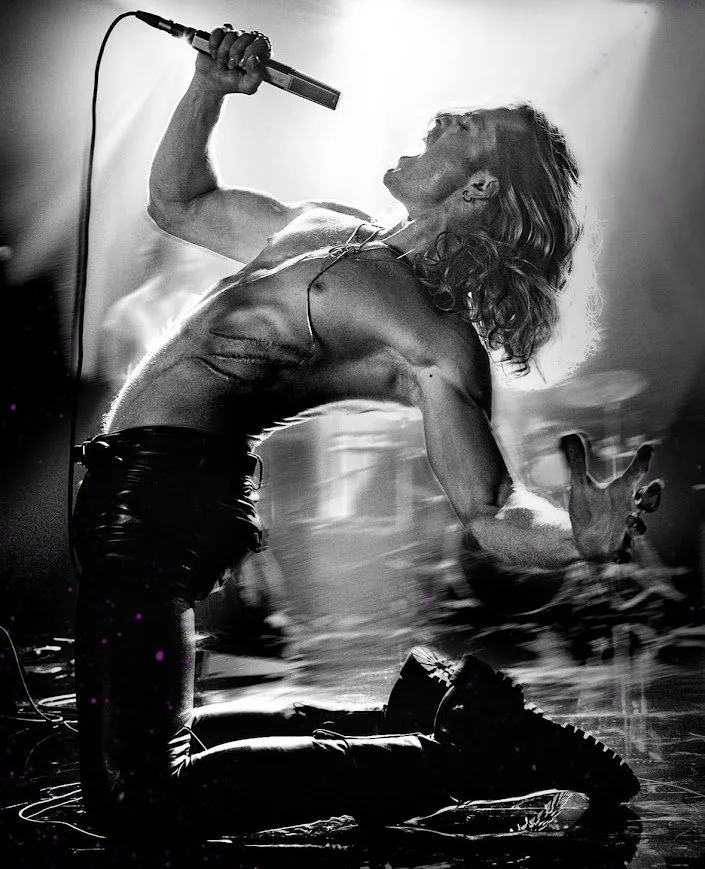
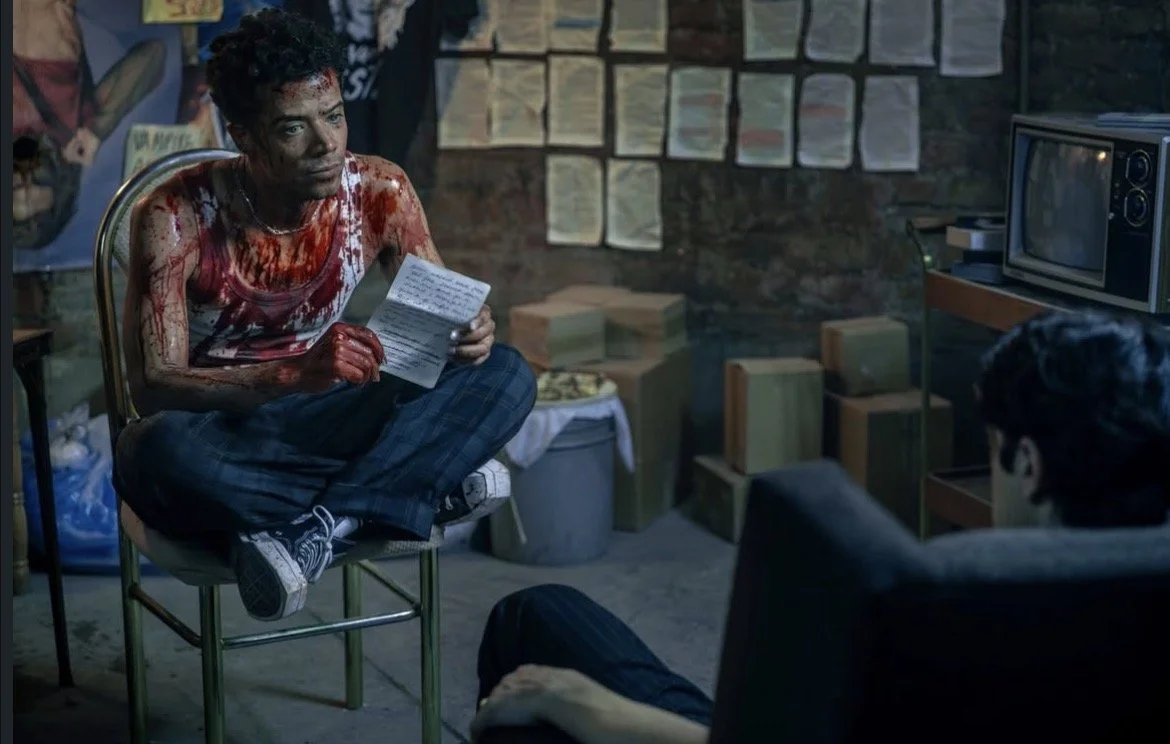
Photos via Instagram user amcsannericeThe episode opens with Daniel Molloy, played by Eric Bogosian, attempting to get usable footage from Lestat for the documentary about his life and past. When Daniel attempts to prod Lestat into discussing his “transformational trauma,” Lestat is quick to blow him off, laughing at Daniel’s description of Magnus as his “abuser.” As Daniel tries to fish information out of Lestat, he dances around the topic, even showing a music video montage of the song he wrote about Magnus, “Your Biggest Fan.” When the lyrics are examined more closely, as Daniel points out, the truth of Lestat’s life and past begins to be seen. The “Your Biggest Fan” lyrics “ I know you're stubborn / But you have to ask for it” are especially charged with the idea of forced consent or nonconsent that makes up so much of the discussion of SA in society.
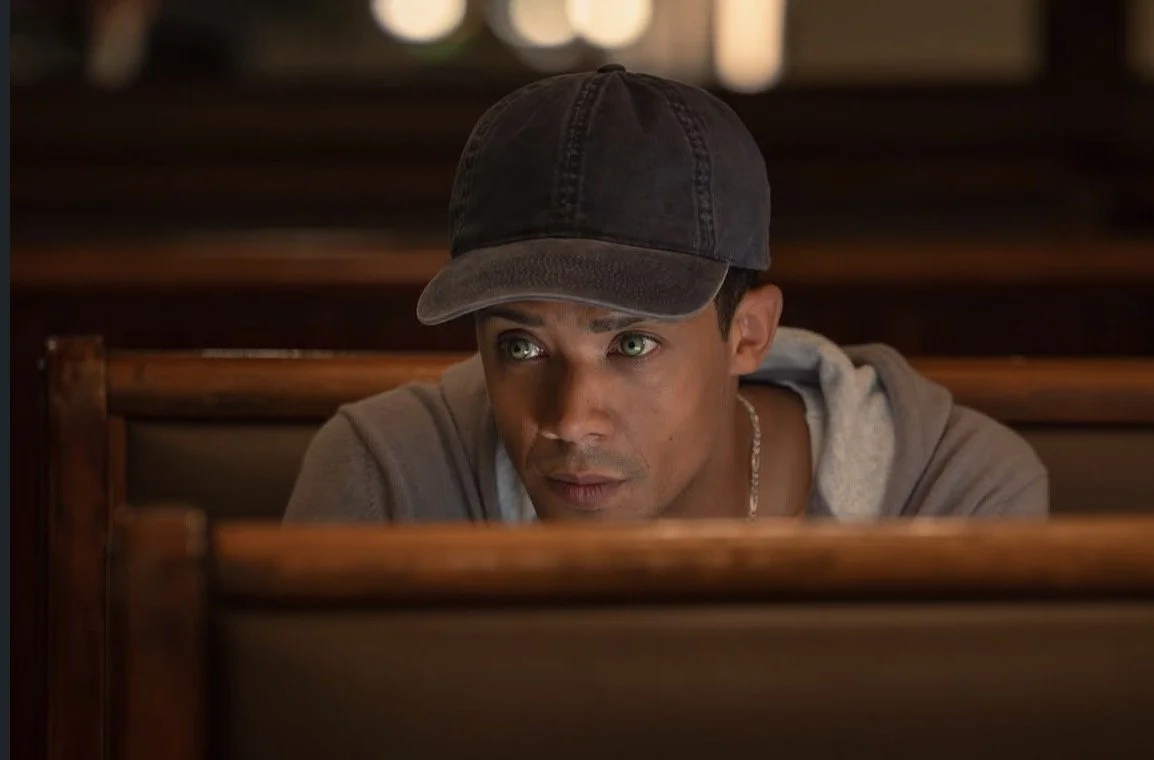
Another plot of this episode is Louis’ revenge on Claudia’s abuser, Bruce. Louis spends the episode hunting for him to confront him about his impact on Claudia’s life and how his actions caused her so much pain before her death. Louis reads an incapacitated Bruce Claudia’s missing journal entries about her assault, weaving them into the discussion of Lestat’s own past abuse in the documentary. When talking about this plotline, Louis’ actor Jacob Anderson acknowledged the controversial scene, citing it as “not [Louis’] place” to bring up Claudia’s trauma after her death.
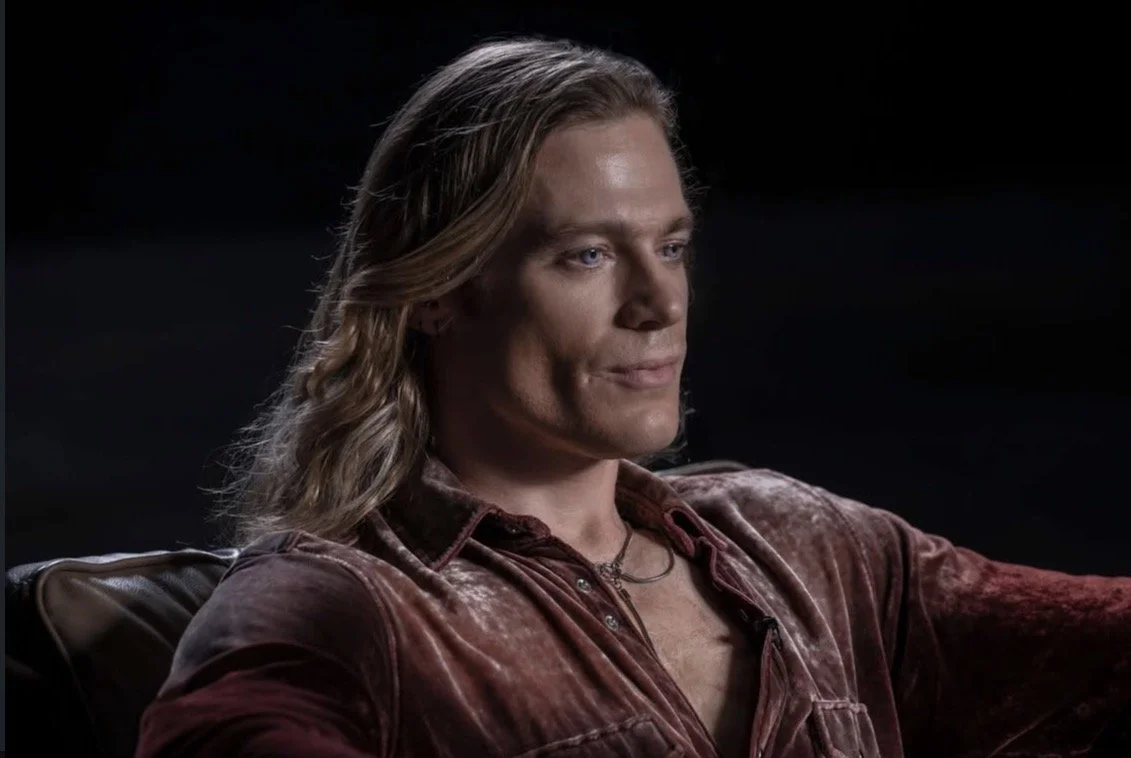
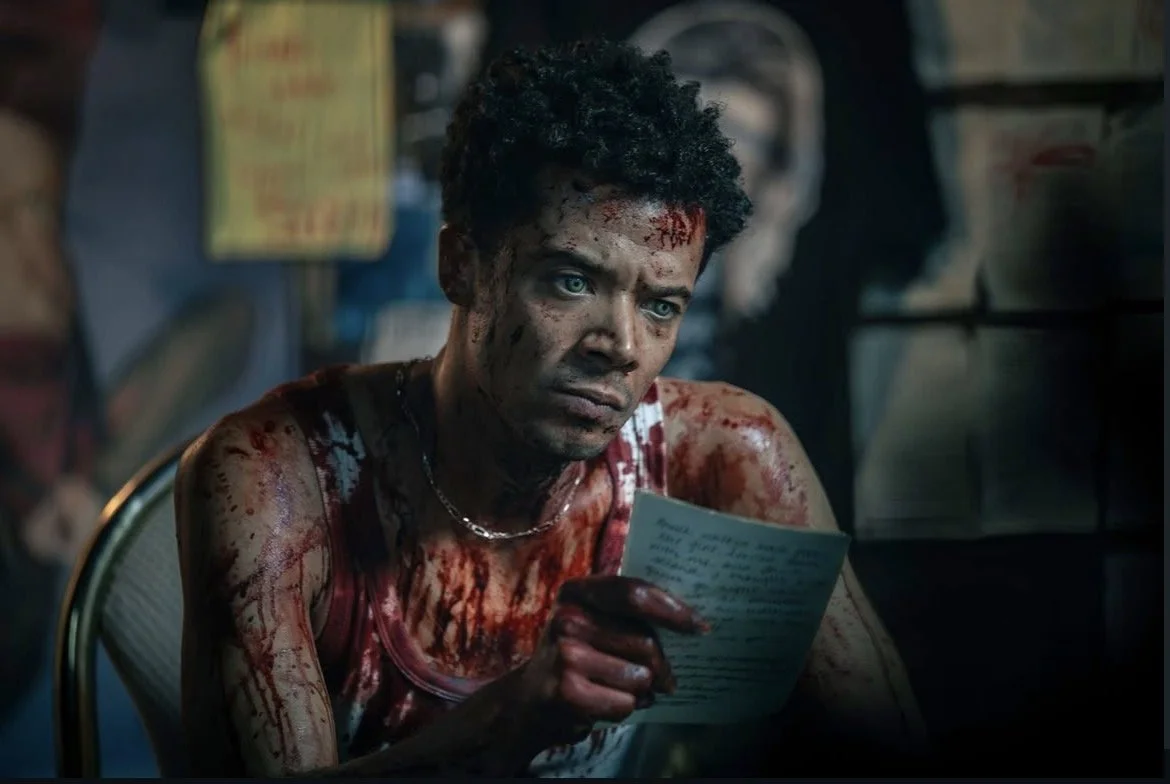
Photos via Instagram user amcsannericeIn the interview, Daniel brings up Louis’ version of Lestat’s turning, recounting Lestat’s harrowing description of kidnapping, torture, and abuse. Lestat turns on him, declaring that Louis wasn’t there when it happened and that Lestat wasn’t present at the initial interview to refute his iteration of events. In typical Lestat fashion, he deflects and minimizes the issue to one of an obsessive fan, commenting, “If I had seen 19 straight performances of my Lélio, I would have abandoned all decorum, too.”
In this conversation, Lestat is blowing off the predatory sexualization of his human self that led to his kidnapping and turning. By acknowledging his prowess as an actor and his magnetic physical appearance as motivators, Lestat’s typical self-absorption is turned into something much darker.
Lestat greatly values his appearance and the appearances of others, but what is mistaken for vanity could actually be an assignment of identity. He is cementing his idea of what he is worth, and believes a large part of it is his physical attractiveness to those around him. His inability to validate and address the seriousness of what happened to him is something that mirrors the denial stage of a traumatic event. He takes on the blame for his turning by insinuating that he is so talented that it had to happen, rather than facing the truth of who Magnus was as a person. Acknowledging Magnus means acknowledging what happened to him, and at this point in the episode, he isn’t ready for that.
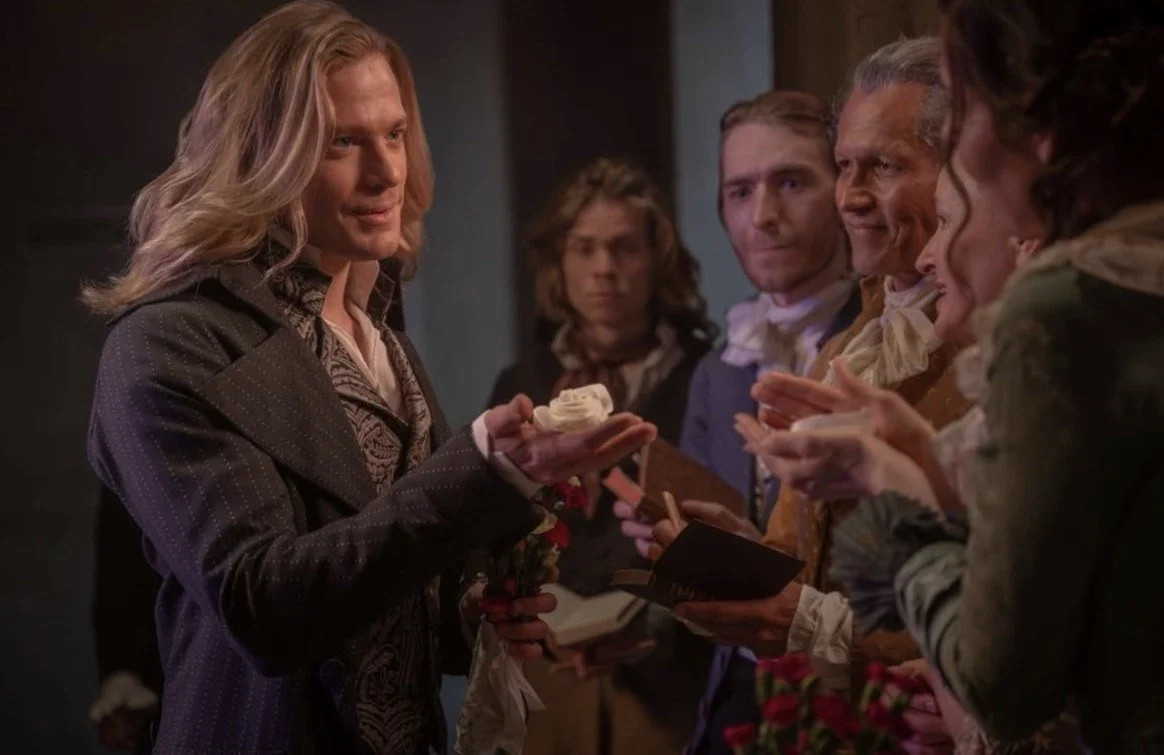
Photos via Instagram user amcsannericeThe discussion of these events without his approval leads to a confrontation with his own memories and mind while Louis’ recitation of Claudia’s own assault is heard over the scene. This scene erases any doubt of what truly happened to Lestat, and the nature of his turning. The violence of the scene is intentional, raising Lestat’s experience to the level of validation he was unable to bring himself. In doing this, the show’s creators once again handle a deeply complex and emotional topic with vulnerability and authenticity, creating an episode that invites the viewer to consider the emotional impact of assault and how it has affected both Claudia and Lestat’s lives.
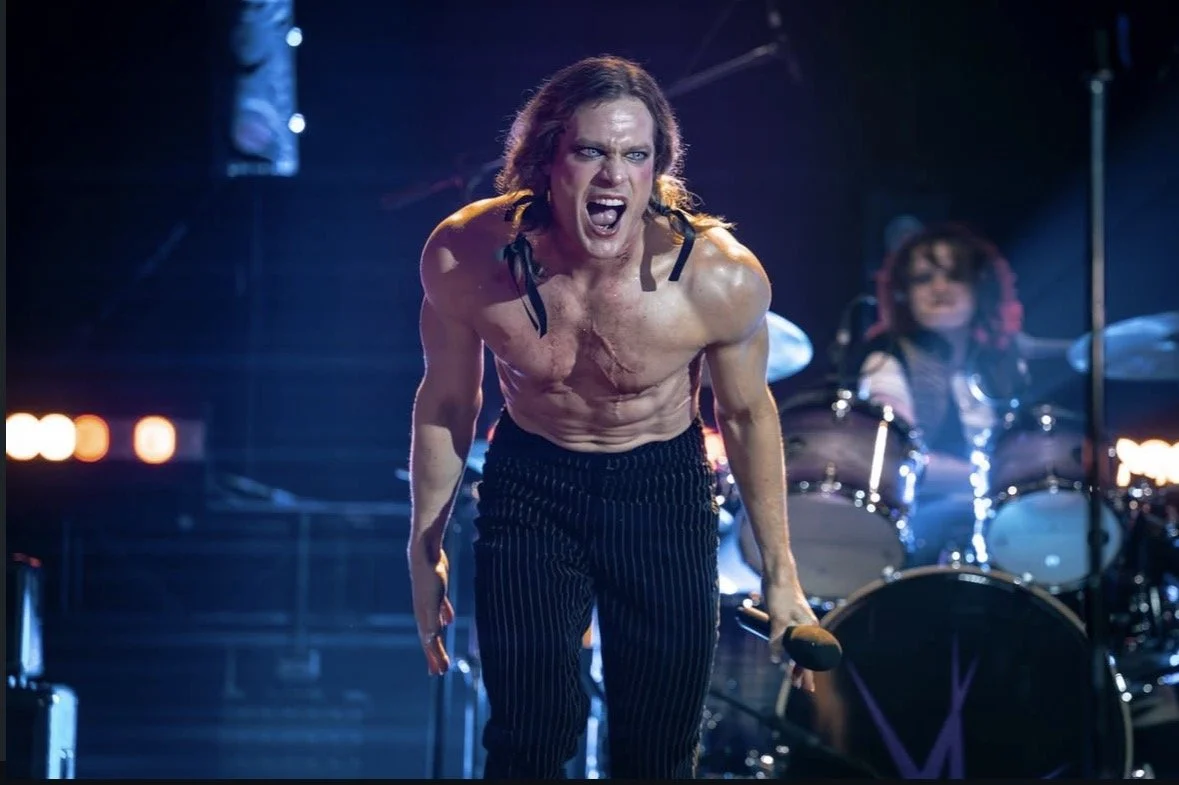
In the final moments of the episode, Lestat is shown performing his song “The Loneliness” while a hallucination of Magnus watches in the crowd. Lestat locks eyes with him as he sings the line “You can’t escape this loneliness,” resulting in Magnus exiting the venue and the story. Lestat watches him go, looking to the ceiling in a release of emotion.
Personally, this final interaction between the characters was the aspect of this episode’s portrayal that stuck with me the most. This scene could be interpreted as Lestat acknowledging, perhaps for the first time, what happened to him. In this release of his memories of Magnus, his real journey through the past can begin. The only way out of the darkness is through, and Lestat seems to have opened the door to a path of acceptance.
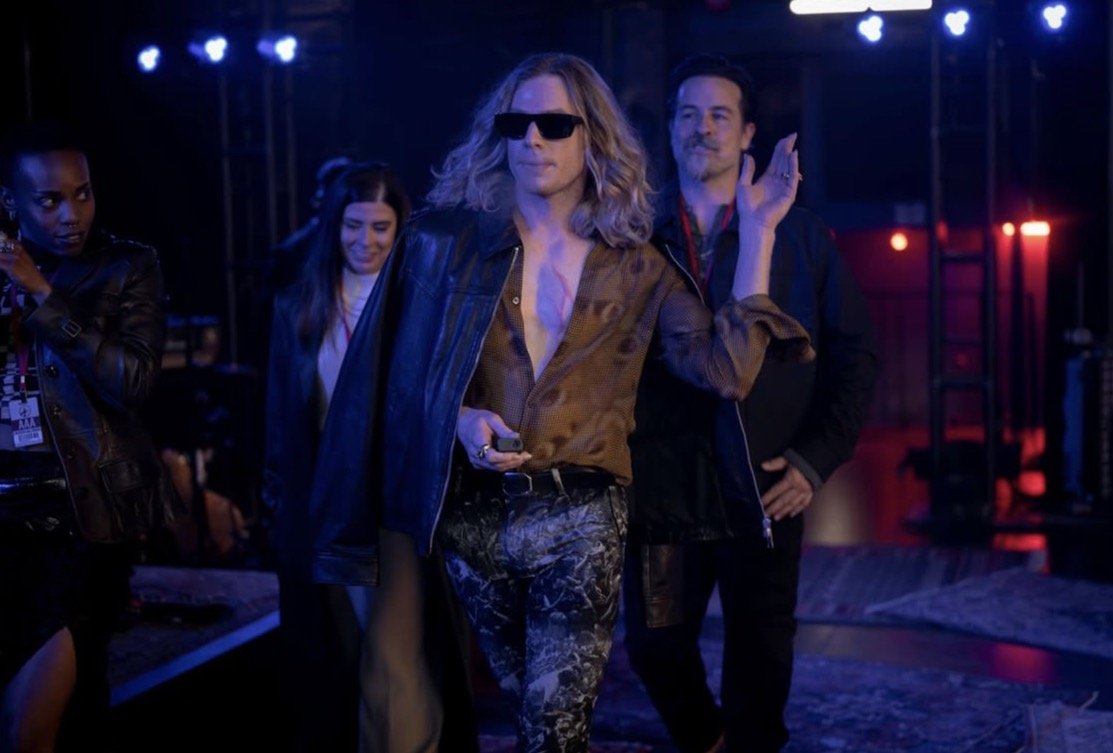
Photos via Instagram user amcsannericeSam Reid’s performance as Lestat in this episode is captivating. Reid conveys the conflicting emotions of denial, shame, and deep suffering so intensely that the viewer can feel it through the screen. The episode itself is crafted with respect, without either minimizing or sensationalizing SA and its effects on a character’s life. A hard watch, but ultimately one that achieves what much media sets out to do: make the audience feel something.
Tune in for more The Vampire Lestat on AMC or AMC+, and check out new episodes every Sunday.