The Olivia Rodrigo Babydoll Dress “Controversy”
Article ★ Alyssa Bushman★ @lissyb_21 ★ 3 Minutes
Olivia Rodrigo has been the center point of a much larger conversation as of late. She wore a flowy babydoll style dress with her iconic black boots to her Spotify appearance last month ahead of her most recent album you seem pretty sad for a girl so in love. She sang a beautiful new song “drop dead”. A heartfelt song about the naiive beginnings of new love, the beauty of the song took a backseat when a large portion of the internet deemed the pink and white babydoll dress that she was wearing was inappropriate. This is not the first time that the singer-songwriter has been under scrutiny. Olivia has had to fight tooth and nail to maintain her place in the spotlight from the moment she first appeared with SOUR.
Now for this I didn’t just want to pick apart what people have already regurgitated about her fanbase, or how she has made a statement about how, in her words, “we just, like, really normalize pedophilia,”. While her response is the most emotionally intelligent and well spoken we’ve heard given the track record of tearing women down on the internet, I want to put more of the focus on why this keeps happening.
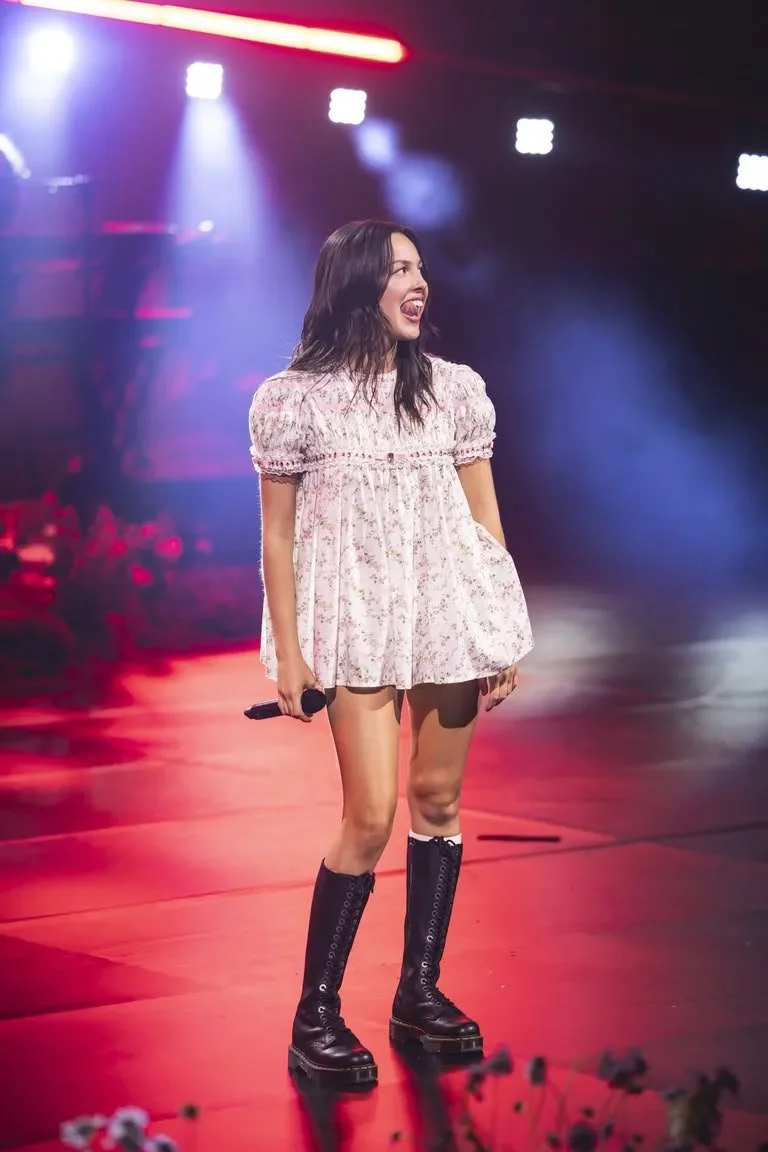
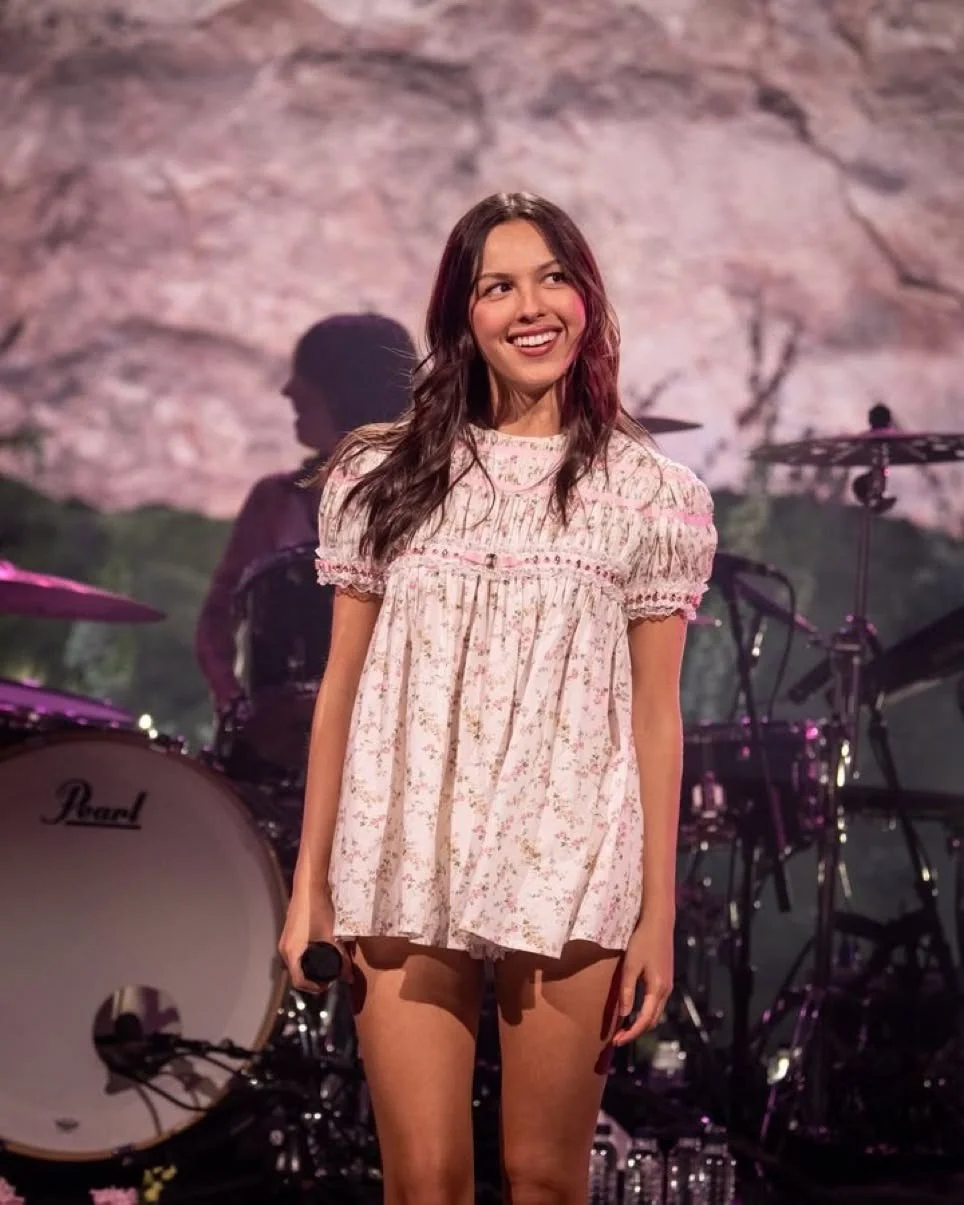
Olivia Rodrigo, photographer unknownThe history of the babydoll dress in pop culture starts with its first appearance in the 1940s. It was already making political waves even then as it was made with the specific purpose of, as Olivia Singer from AnOther magazine put it, “liberat[ing] women from the confines of corsetry”. The freeing nature of the garment was quite literally made to allow women to exist without restriction. Knowing this, the following events with the dress as the center point create a larger conversation that needs to be had.
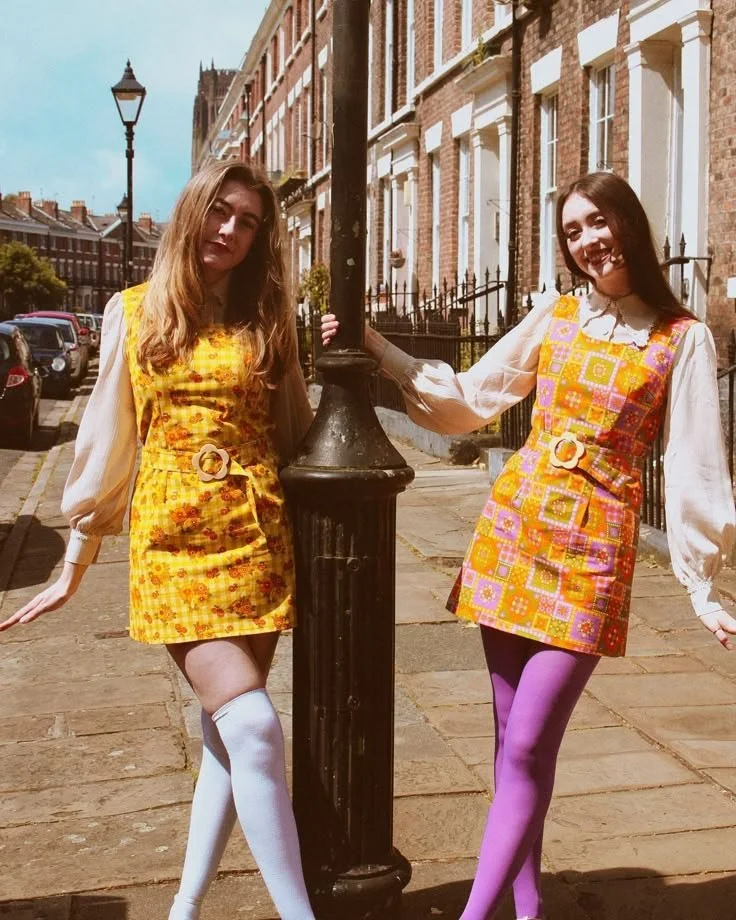
The 60’s mod scene had women begging for the rebellious nature of the dresses. The designer of the iconic silhouette of the mod style dresses that we know and love, was quoted saying that women were asking for shorter and shorter dresses. In fact, the sixties mod style is credited with the popularization of the hot pants and the shift dresses. Which are arguably the most short type of clothing that is socially “acceptable” now.

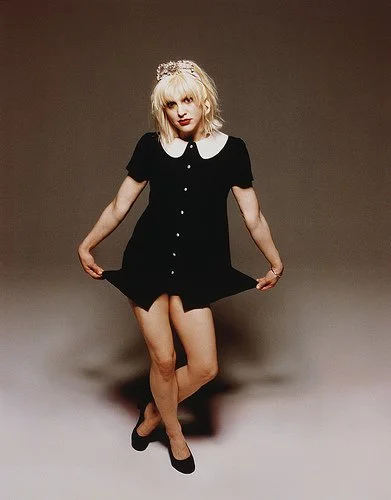
Rodrigo may have pulled a lot of inspiration, though, from the controversy by Courtney Love of the “Kinderwhore”. She was making an attempt at playing with the irony of dressing in softer clothing while singing heavier grunge style rock songs on stage. The juxtaposition was supposed to be a statement on the infantilisation of women and how as a society we tend to make women stay girls to maintain a level of control over them. This was an iconic moment in the riot grrl movement as it pushed against the societal norm of having a softer aesthetic meaning someone easier to be submissive. The uncontrollable nature of the music paired with the image of a soft feminine stature created a disjointed appearance to those who were trying to control women.
In the time we are living in, women are still being told to fit into a mold that no longer serves the progress that we have made. We have made too many strides towards women’s complete liberation to keep having the conversation about a woman wearing something for anyone other than herself.
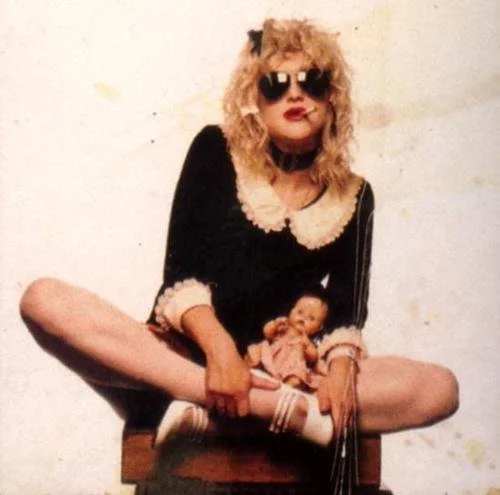
The argument that Olivia wore the dress that was made for children is so tired and recycled because we have this same discussion every twenty years. The only reason it still strikes now is because on the rise of conservatism and modesty culture, making a statement with art, fashion, music, has become more few and far between. The younger generations, while more willing to make statements than any generation prior, have the looming fear of their futures and careers hanging in the balance when making controversial statements.
Olivia was not wearing the dress to point out the infantilization of women, though. She wore it because it fit the style of the music that she was making. The soft nature of naive love and the heavier side of mental health. The dress paired with the heavier black boots is confirmation of the message. Furthermore, to put the expectation that everything that she does, says, wears, and writes, is supposed to be with a child leaning fan base in mind is entirely unfair. She is allowed the space to make art that she feels is true to her. The onus is on the parents of children to make the distinction on what is deemed appropriate for them to consume.
Women’s bodies have always been a political battleground. This conversation will continue to be had until society has accepted that women are not responsible for the way that they are perceived in other’s minds.