Film Review★ Emily Galeas ★ @emilygaleas.doc★ 3 Minutes
Biopics have swept the film industry for around half a decade, many coming with mixed reviews. This style of film is not new to us, but as technology and funds for films become more powerful, we are able to delve into a whole new world of artistic history.
Many fans feel as if the biopic subcategory is far too saturated now, feeling as if a lot of these films are moving too quickly through substantial plot points to ensure a quick profit. However, one modern biopic that has stood the test of time since its release in 2018, is the hit film ‘Bohemian Rhapsody’ directed by Bryan Singer.
Not only was this film incredibly well-casted, with near doppelgangers (Rami Malek; Freddie Mercury, Ben Hardy; Roger Taylor, Gwilym Lee; Brian May, and Joe Mazzello; John Deacon) of the original four members, but the ability to highlight some of the greatest high’s and low’s of one of the most legendary and controversial rock bands of all time was a feat.
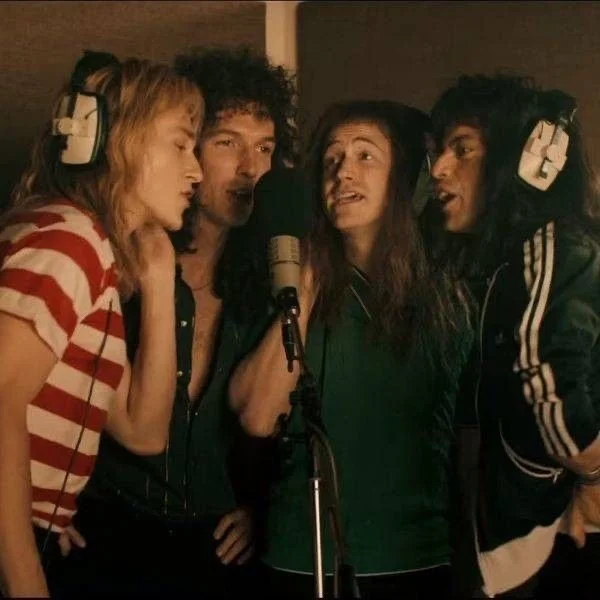
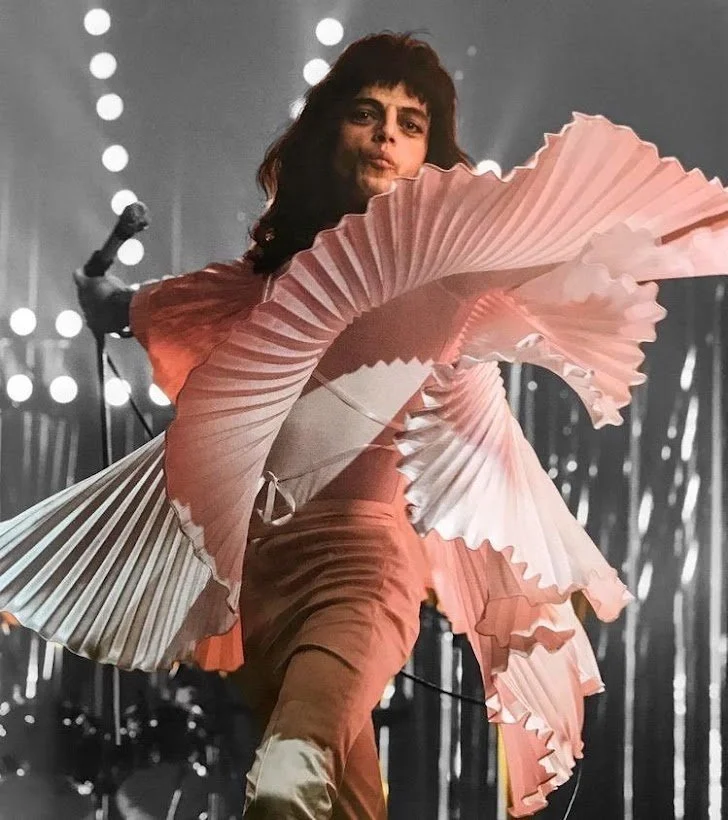
If you had never heard of ‘Queen’ before, this film tells a tragic, yet moving story of a queer rockstar, and three incredibly talented musicians experimenting with rock n’ roll in ways that have yet to be recreated. What is unique about this particular project as well, is the assistance of Roger Taylor and Brian May. Having these two creatives and members of the group to tell the story makes it all the more emotional. Especially when their late lead singer Freddie Mercury remained the main character of the film.
What separates this biopic from other musical biopics, is that it features the first-hand accounts of Taylor and May, but still centers around the depth of the struggles Freddie Mercury faced as a queer person of color in the industry at the time. There is slim to no storytelling regarding the other members personal lives, and each member is portrayed in both a good and bad light. The flaws of each member are highlighted, and matched with the qualities that bring them together as a united front, especially in the eyes of the music industry.
The film not only highlights the highs and lows of the individual members, but also the positive and negative feedback when it comes to their music. One of the most notable scenes takes place when the band presents their legendary hit ‘Bohemian Rhapsody’ to their label, showcasing how confident the group was in the quality of their craft. The film also has several intentionally ironic lines that relate to the success of some of their more “adventurous” tracks even when the public said they would never be timeless.
The element that makes this film truly unlike any other is the dedication to the Live Aid set. ‘Queen’ played an iconic, timeless and truly legendary performance at Live Aid in 1985 at Wembley Stadium. The Live Aid sequence is the final events of the film, and when hearing the cast and crew speak about it, it is clear how much thought was put into the film.
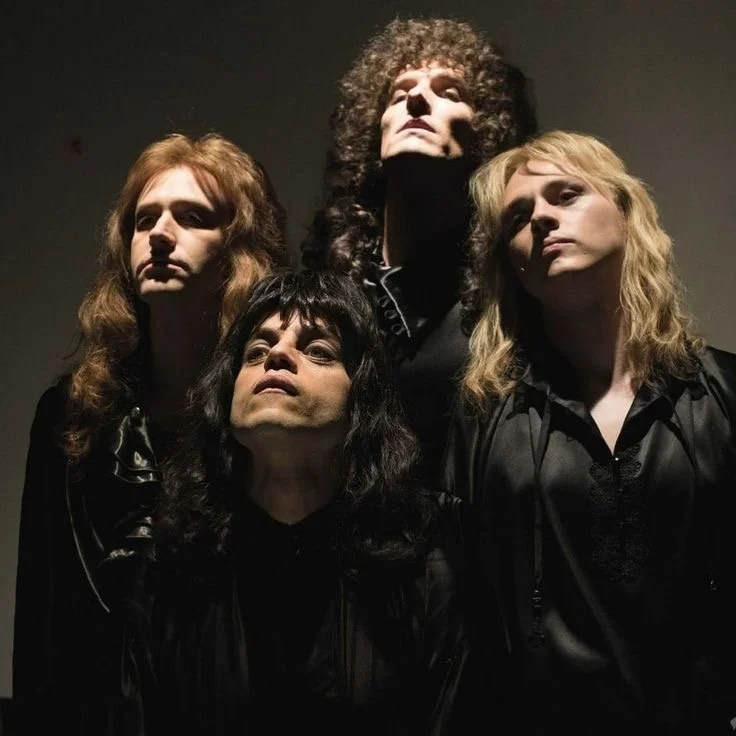
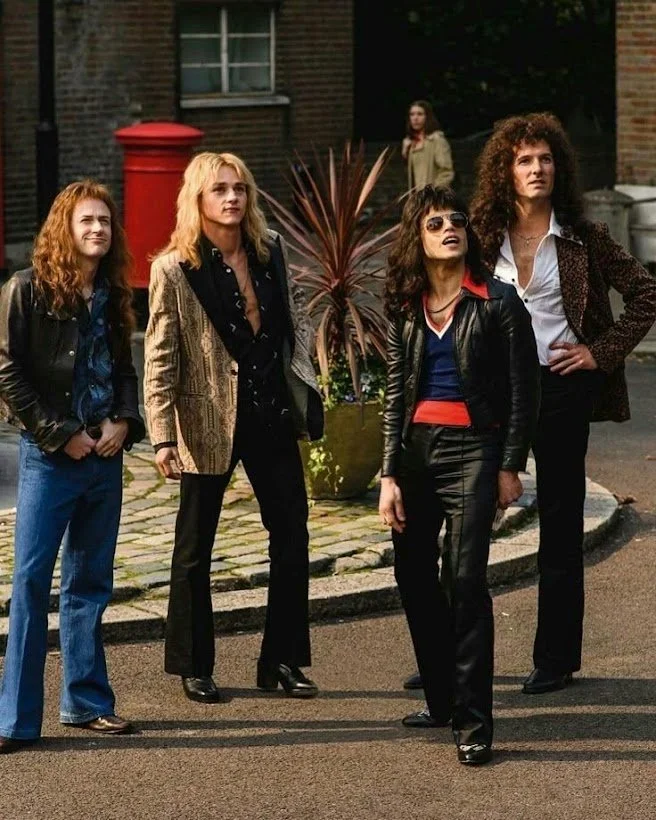
With Roger Taylor and Brian May on set for the entire sequence, actors wore exact replicas of the band members outfits down to accessories, every cast and crew member wore near exact replicas of the outfits pictured on and around the stage that day in 1985. Each cast member was taught individually how to play their instruments in order to curate the vibe the day of filming, and to make each scene look as authentic as possible. Rami Malek even replicated Mercury's exact dance and stage movements. It was said by the cast that Taylor and May had everyone (even off screen) posed and placed exactly how they remember it that day.
When you put the recording of the 1985 Live Aid performance and the version created for the film, there are almost no discrepancies. The sheer dedication shown by this cast and crew is unlike any biopic we have seen since. ‘Bohemian Rhapsody’ truly set the bar, and set off multiple other projects of the same nature, but almost none could match the dedication to casting, musicality, and accuracy that Bryan Singer and his crew curated.