“The Atonement”: Looking Back At Euphoria’s Finale 3 Months Later
Film/TV Review ★ Kenzie Gay ★ @kenzwrites ★ 10 Minutes
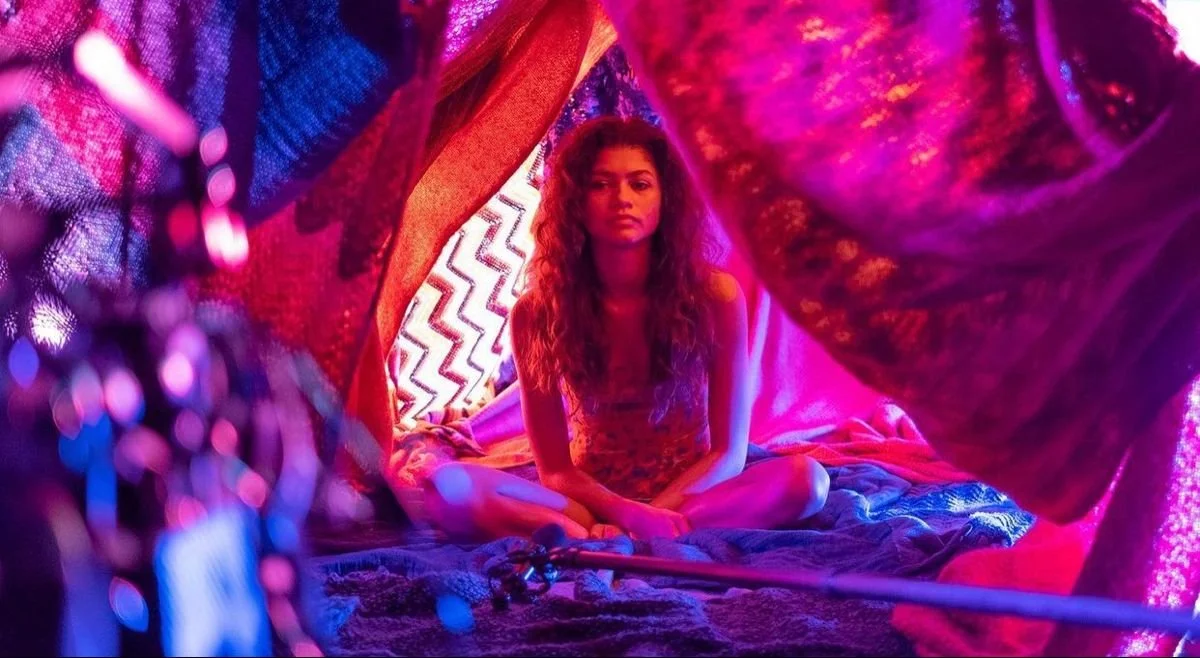
The fully fleshed out hit drama series Euphoria has officially been ours for an entire Summer. Composed of three seasons spanning from 2019 to 2026, the show has become a staple amongst Gen Z crowds for its soundtrack, visuals, ridiculousness, and its prominent cast members that include Zendaya (Dune, The Drama, Spider-Man: No Way Home, etc.) and Jacob Elordi (Frankenstein, Saltburn, Priscilla, etc.).
Seasons one and two, aired in 2019 and 2022, closely followed the story of 16 year old Rue Bennett as she traverses the implications of high school, grief, mental illness, and addiction post-rehab. Audiences were also shown the side plots of her friends and classmates such as Cassie and Lexie Howard, Nate Jacobs, Jules Vaughn, Kat Hernandez, Maddy Perez, and Fezco O’Neill – all of whom became fan focuses for one reason or another.
Throughout season 3’s episode-by-episode airing, many people online shared their disdain for the majority of the new season – which came a whopping 4 years after its predecessor due to the 2023 SAG strike and other production delays. Watchers worldwide expressed disappointments regarding writing, creator Sam Levinson, design choices, and even the soundtrack which was scored by renowned composer Hans Zimmer. With each new episode that dropped on Sunday nights, viewers became more and more confused (amongst other things), myself included. However, once the finale came to fruition on May 31st, things got pulled into a clearer perspective and maybe, just maybe, it made up for its prior episodes.
The Finale - What Happened?
Euphoria’s finale, titled “In God We Trust”, is distinctly different off the rip from its prior episodes. Rue, with the assistance of a character named G, is depicted escaping from antagonists Wayne and Harley at Laurie’s property. She hits Wayne with a wrench then promptly takes off, slimly escaping a lasso-ing from Harley thanks to G’s sniper skills from the distance.
Rue Bennett running from people she’s messed with isn’t anything new but the lack of her lighthearted, dry narration? Yeah, that certainly is.
After this intensity, the tone grows lighter as Rue reconnects with Alamo. Unlike most encounters with the drug lord, this one is much softer with a dynamic that’s almost comparable to her and Ali’s. He’s gentle and assuring of her, even going as far to offer her money and percocets for the stitches in her hand. She takes it gratefully (albeit confused) and goes to Ali’s to crash on his couch.
The audience is again thrown into craziness, however, when the DEA pursues Laurie and her property. The scene is frenzied and quick-paced, showcasing Faye and Wayne’s escape, Laurie’s suicide, Harley’s surrender, and the agents finding a van that’s clean of anything incriminating (aside from a lone rat in the back) due to a sneaky van switch pulled off by Bishop and Big Eddy in Mexico.
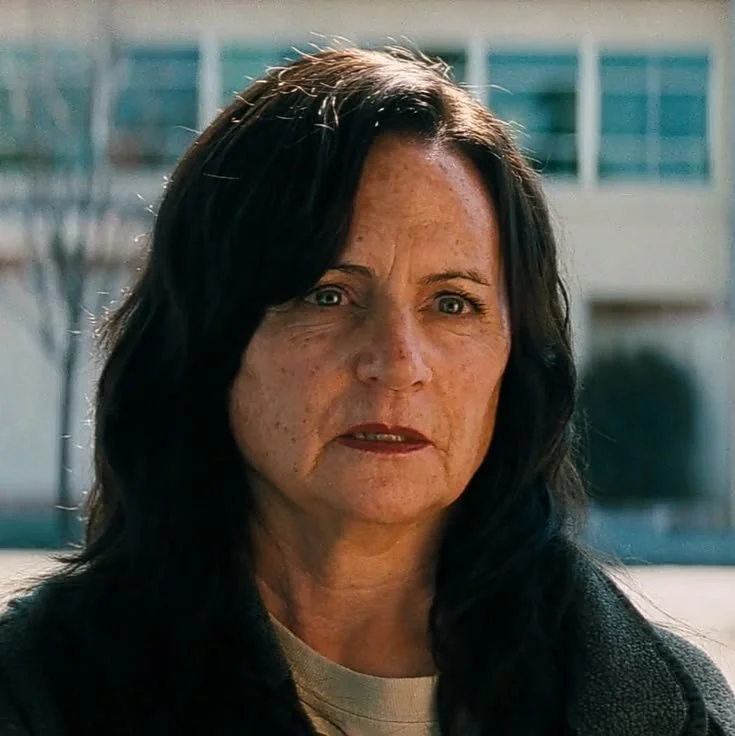
The next morning, Rue is shown waking up to a breaking news alert on the TV. Reporters share information that Fezco has escaped prison and she rushes out of Ali’s house to pick him up since the two often fantasized about how she’d rescue him if he managed to get out. Through a stressful drive and eventual sprinting on foot due to the cops closing down roads where Fez was last seen, Rue finds herself outside her childhood home that she hasn’t visited in a long time. Ducking in through her bedroom window, she reminisces and finds her mother in the kitchen reading a bible. This is when the smoke screen is pulled. Rue’s father, who has been dead since before the beginning of the show’s timeline, steps into frame and they embrace. This keys watchers in on the fact that this is all a dream — or perhaps something darker.
The scene flickers to Ali’s house, which is quiet and peaceful with the early morning sunrise poking in through the blinds. He gets up leisurely only to find Rue on the couch with her headphones in, dead with the bottle of percs at her side. Beyond heartbroken, Ali finds the wherewithal inside of him to realize that Rue was set up. She’d only taken one pill, which wasn’t nearly enough to overdose on, and she’d been clean for the entire season’s events (well, California sober). He tests the medication and realizes it’s been laced with fentanyl, informing her mom and loved ones while imagery of Rue throughout the years juxtaposes the devastating truth.
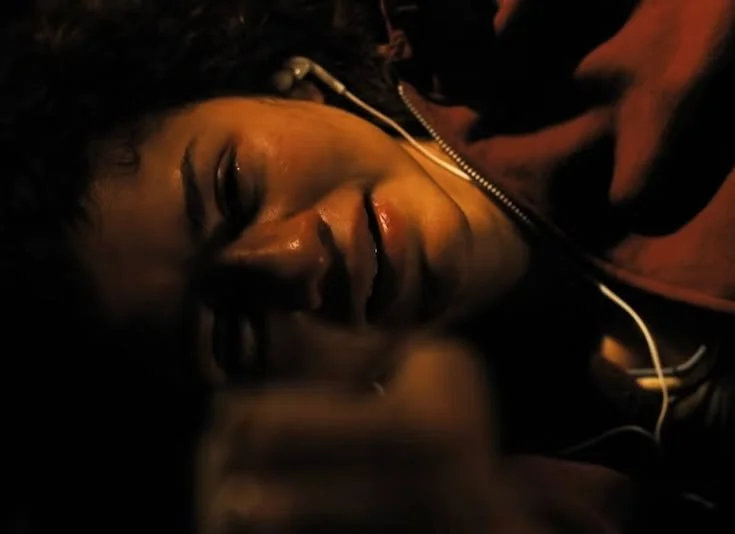
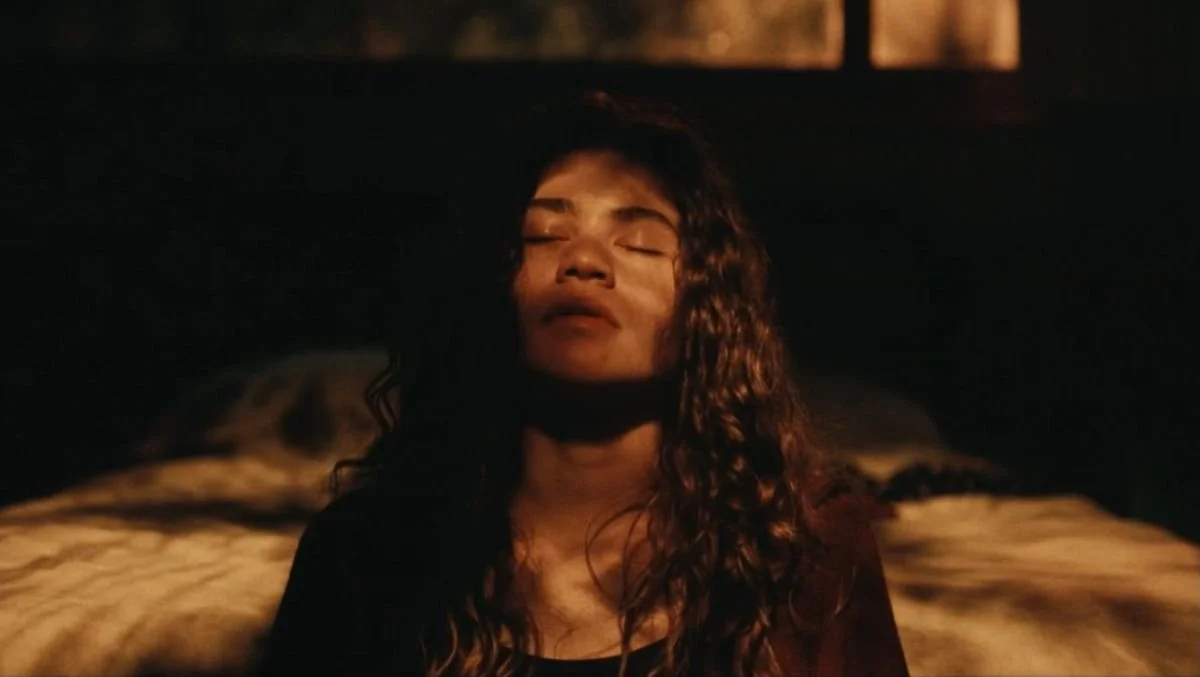
After this, a time jump occurs. We don’t get to see the immediate reactions to Rue’s death from her friends and family and we’re blasted to a Narcotics Anonymous meeting two months in the future with Ali as the main focus. At this meeting, he reflects on all the addicts he has sponsored, many of whom have died or been failed by the system in at least one way. He’s angry and vengeful, a stark contrast to his typically hopeful and inspiring attitude. Though we are given some insight into Rue’s friends such as Lexie’s guilt for how they ended things, Ali remains to be the center of attention as the scene cuts to The Silver Slipper.
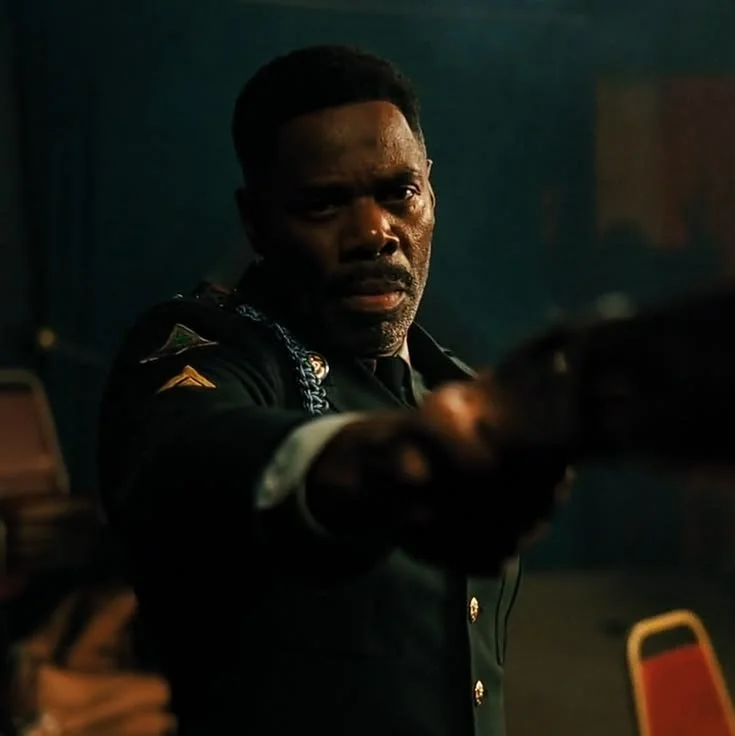
Dressed in his Gulf War uniform and armed with a sawed-off shotgun, Ali enters the club and locks all of the doors without breaking a sweat. Right away, the dancers and other club workers know that he is not a regular customer but a potential threat. This is confirmed when G tries to speak to him, which lands him with a bullet wound to the crotch because he lies about his knowledge regarding Rue and her death. Maddy, who is coincidentally also at the club to drop off Cassie’s money and to meet with Alamo (though she doesn’t want to), is dragged front and center within seconds since Alamo crashes through a nearby glass wall and uses her as a human shield to confront Ali.
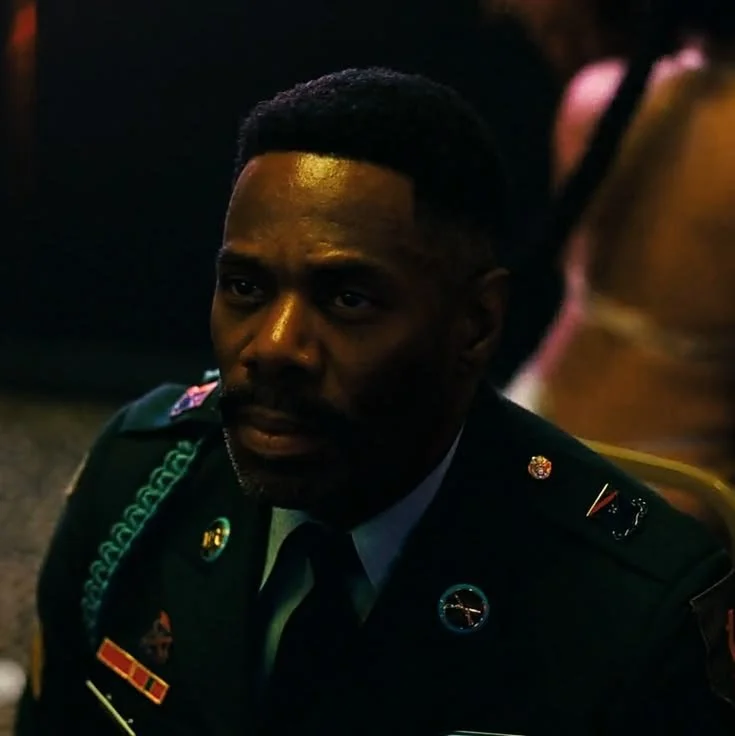
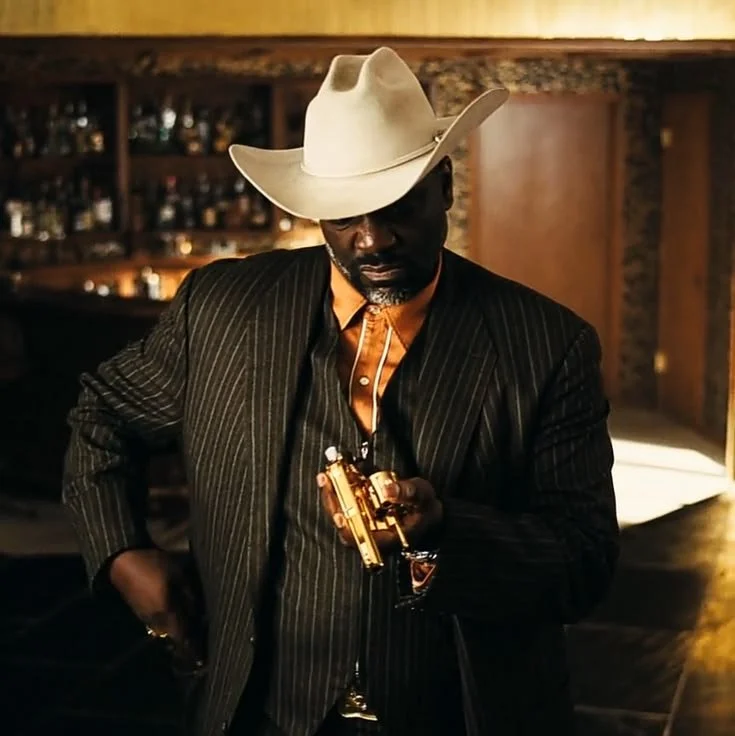
After some tense shouting and a stubborn reminder that Rue sent him, Ali agrees to a duel. The duel’s guidelines are simple: when the champagne bottle that rolls across the bar lands on the floor, the two can shoot it out. Bishop equips Alamo with his tried and true revolver and the two wait out the duel through tension that not even a knife can cut. Everyone is silent and watchful as the seconds tick by, feeling more similar to hours than anything. A true showcase of morals, Alamo attempts to shoot early but he is met with the stunning realization that he’s been double crossed by none other than his right hand man: Bishop. His revolver is empty and the understanding that Ali has won sinks in just as the bottle shatters on the floor. It is then when Ali takes aim and fires, formally avenging Rue in the best way he knows.
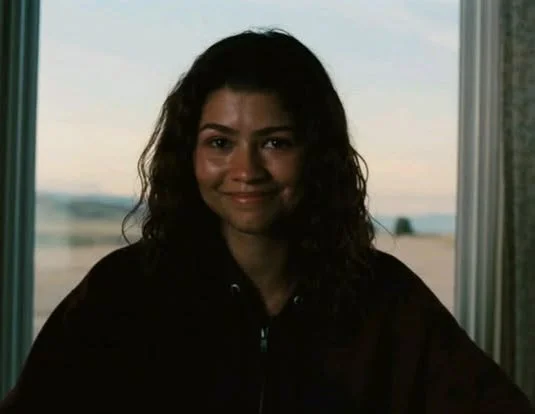
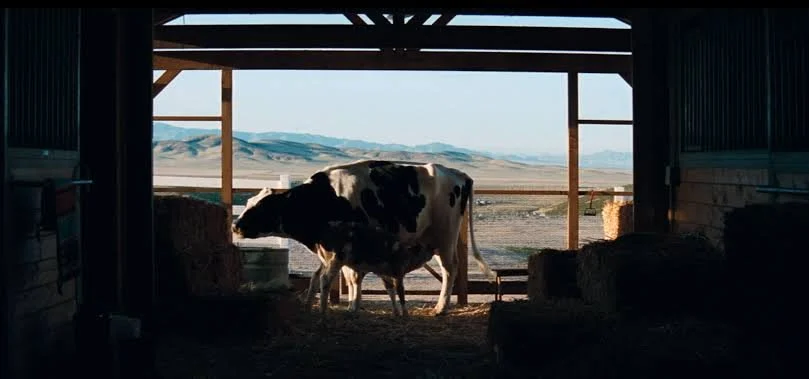
To close out the episode, another time jump occurs. This time, Ali is at the same farm Rue started out at in the beginning of the season. He tells the family that took her in about her unfortunate passing and pretends to be her father, using his legal name for the first time in the show to introduce himself. The family, mournful yet supportive, welcomes him in by showing him their farm’s newborn calf that was miraculously born and by allowing him to lead them in prayer at dinner. The final moments of Euphoria highlight them holding hands with bent heads at the table while the spirit of Rue sits at the head, grinning and finally at peace.
Recurring Themes
There are heavy themes throughout the entire third season of Euphoria but they are especially prominent in this finale. The most obvious theme is that of The Bible.
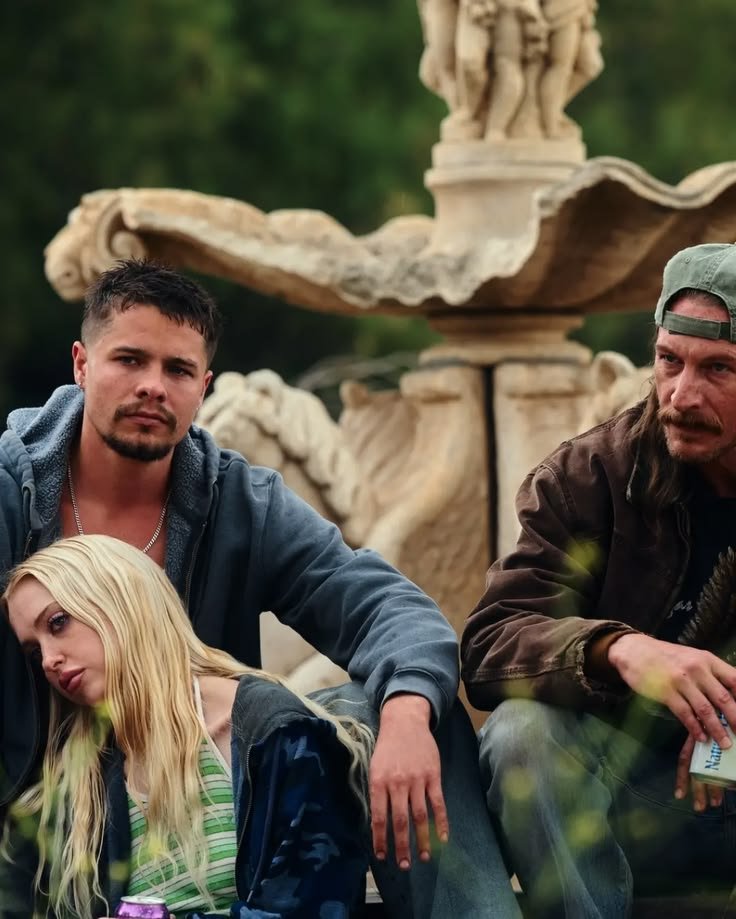
Rue is on a spiritual journey for the entire premise of season 3, arguably even in death. That doesn’t mean it only applies to her character, however. We see a strong sense of redemption, a big element of the bible and Christianity, within the character of Harley during the raid scene. While Faye and Wayne run and while Laurie ends things on her own terms, Harley gives in to the DEA’s commands and chooses to be brought in and served a sentence as opposed to suicide by cop; the initial plan based on his body language and plethora of weapons. This is a small, seemingly miniscule moment, though it gets the point across. The point being that even the lowest of low can rise up if they seek salvation.
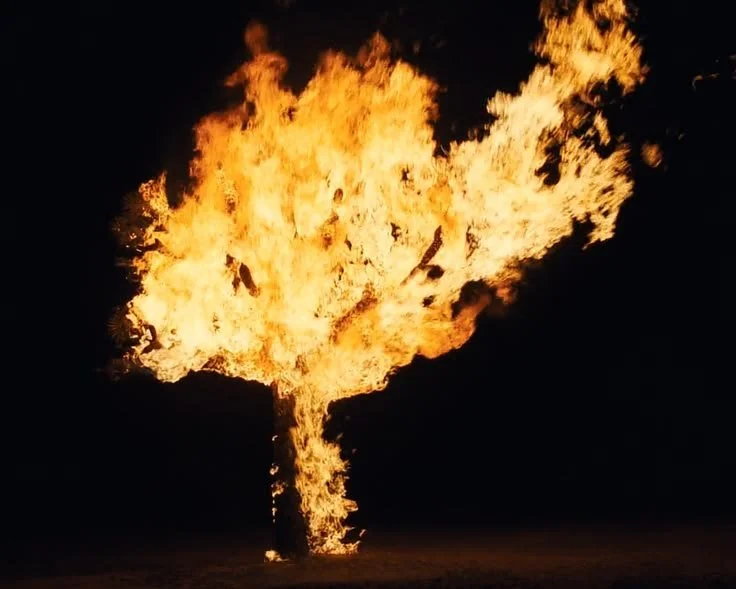
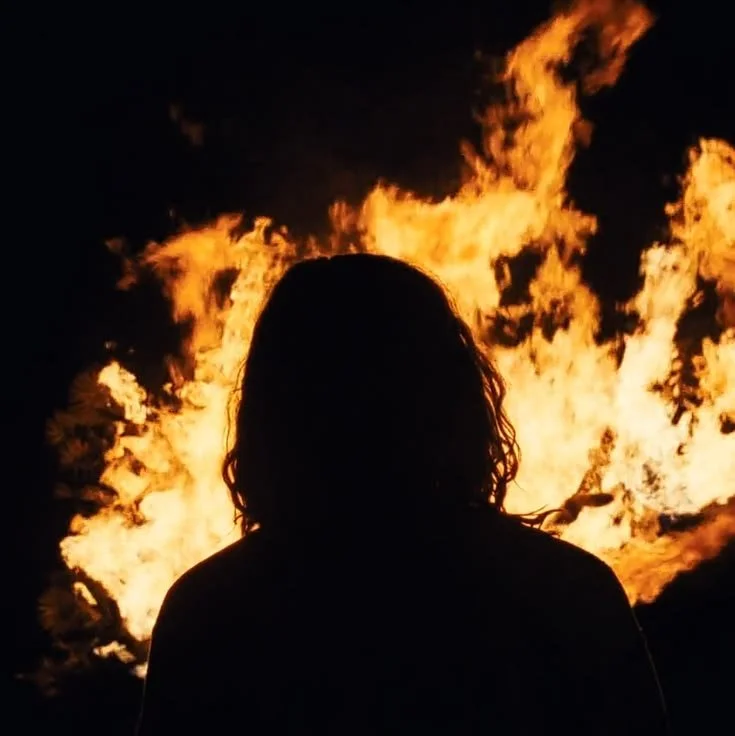
Another notion of these biblical themes is during Rue’s death. As she’s lying on Ali’s couch, she is actively listening to Genesis 6:5–7. This portion of the bible touches on creation and God’s grief over humankind and its innate wickedness. It’s extremely symbolic and it serves as the foundation for the remainder of the scene, which also holds even more biblical nods. From Rue seeing her parents to her entering the home through her old bedroom window – a symbol of escape and thievery in the bible – the entire fake out sequence revolves around sin and the regret God felt for his own creation.
The closing scene arrangement is a great wrap up of this theme. It holds immense parallels to da Vinci’s iconic The Last Supper and the event itself both in visuals and in message. The feature of the cow, though, is one of the more powerful aspects of the scene. Many online have speculated that the cow and its calf stands for reincarnation and the cycle of life, something that Rue struggled to grasp and even obsessed over during her journey this season. It’s a stand–out display that marks the closure of Rue’s pain and the beginning of something new – something unknown but fresh and untainted.
Apart from these biblical themes, there are also ever-present themes of grief that go hand in hand with it. For example, Lexie’s attempts at coping with the loss of Rue. Despite the fact that she was a bit condescending about Rue’s journey and constant reading of The Bible, her attitude turns hypocritical through a curious lens since she begins to read the book for herself to understand who Rue was and what she was thinking during her final days.
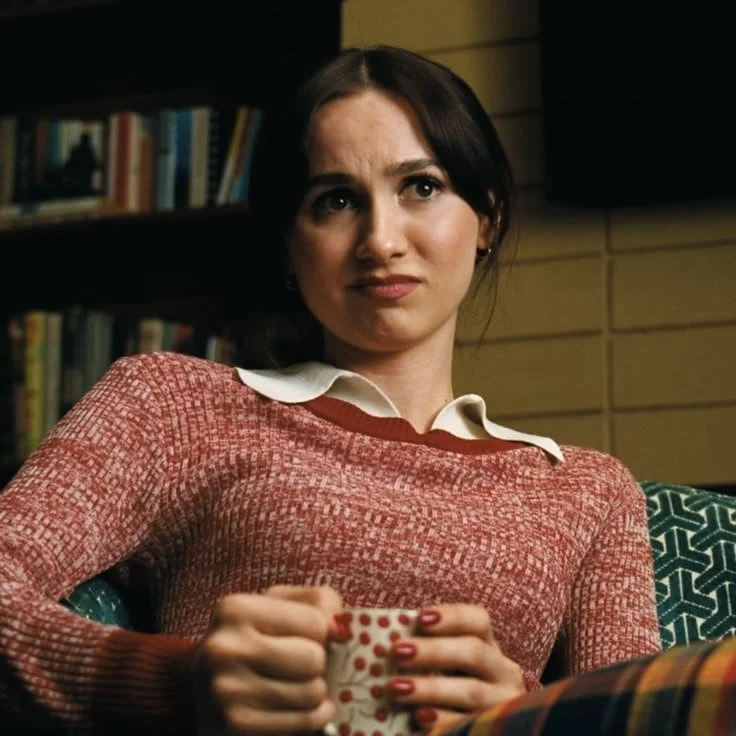
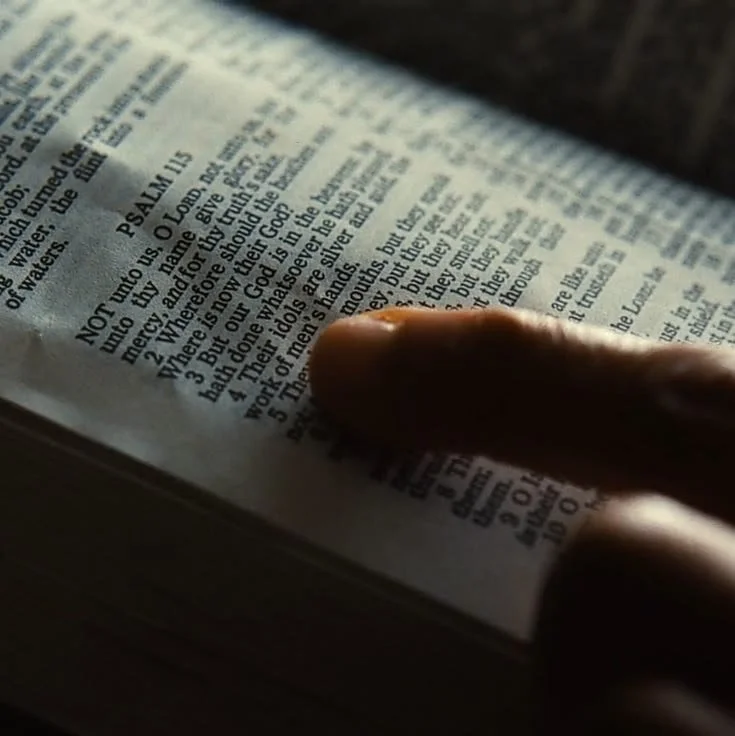
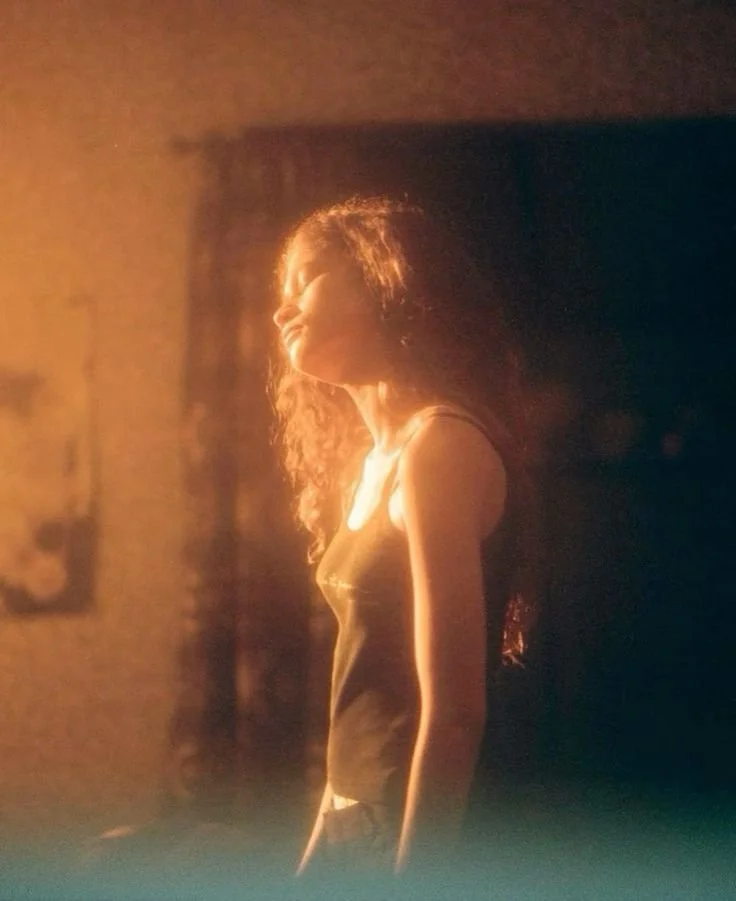
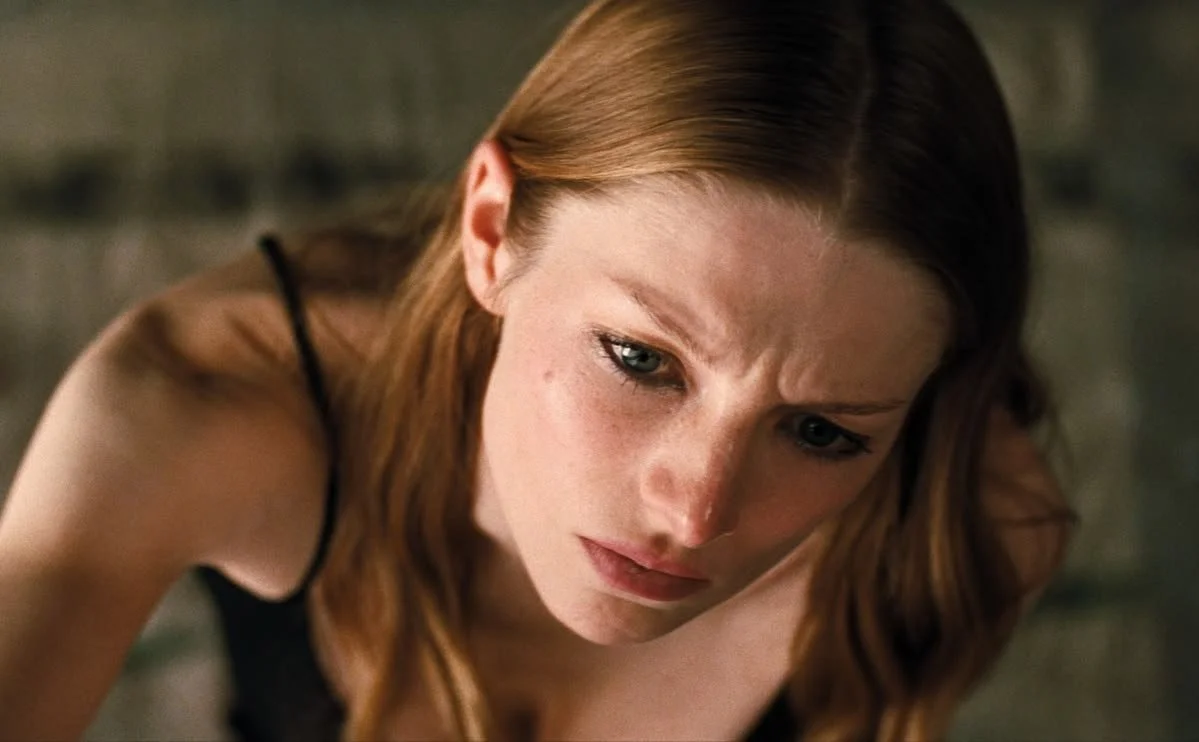
Ali and Jules’ characters also hold powerful themes of grief through their own processing: for Ali, he represents the common stages such as anger and depression but it's branded with a unique ideal of revolution and revenge given the special context of Rue and her demise. For Jules, she buries herself within her art. Elements of guilt and longing are especially obvious in her character since she was awful to Rue in their final meeting and since she never quite opened up in the way that perhaps she should have. A stagnant visual within this is the painting she makes of Rue, which showcases her in a free-spirited, beautiful, warm light. It’s a widely accepted detail that this is how Jules truly viewed Rue even though she was never explicit about it.
Everything Wrong With Season 3 (And Beyond)
Now for the critiques, the unneeded notions, whatever you want to call it. I’d like to keep it short since most of it is rather disgusting and misogynistic but it’s certainly worth pointing out.
First and foremost, we need to address Sam Levinson’s sick portrayal of women. If you watch season 3 closely, you’ll notice that nearly every single female character is involved with sex work or organized crime. The only character who isn’t is Lexie, who’s painted as a pompous prude both through directing and her peers’ behavior towards her. It’s an all around punch in the gut to feminism and the progression of women’s rights, not to mention that it’s also very obviously just an avenue Levinson took to bring some of his kinks to the big screen.

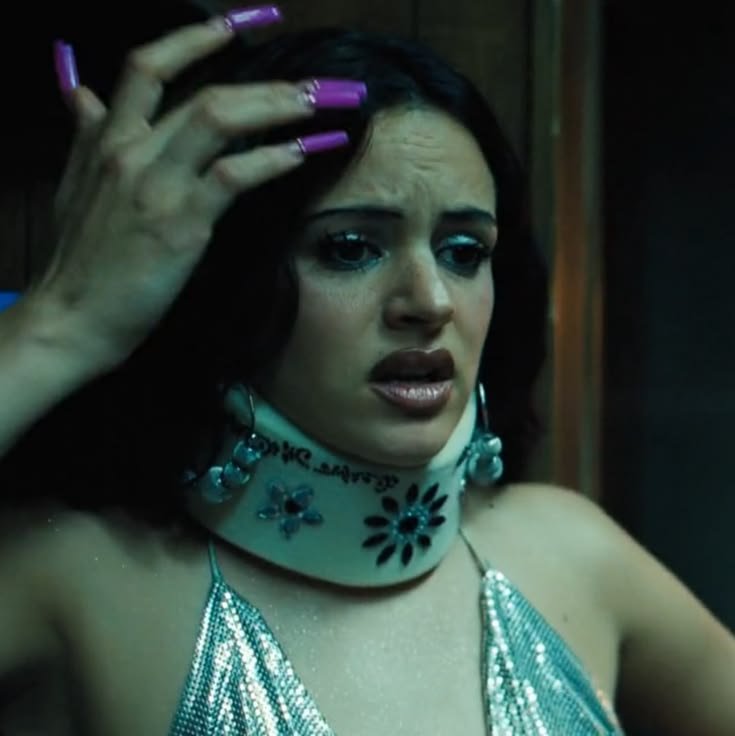
It doesn’t end there, though, because his bigotry personifies itself as well through Laurie and her boys. It’s a canon detail from the get-go that Harley, Wayne, and presumably Laurie are all Nazis – and proud ones at that. It adds no richness to the plot nor does it seem to give their characters any decent depth. It’s just there because Levinson insisted upon the matter. It’s not classy or done with any taste.
I still can’t get the horrid visual of Wayne and Faye doing it in front of his nauseating bedroom flag. Other negatives of this season mostly relate to straying from its artistic roots. Long time viewers surely noticed the difference because it was seismic and unsubtle. Even from the pre-release marketing, I knew it wouldn’t at all be like its prior seasons. I’m just grateful that the finale sort of stuck the landing at this point. The show threw out many things for season 3 such as its signature blue/purple color scheme, its ridiculous yet quintessential wardrobe choices, its tensely violent storyline with the character of Nate Jacobs, its absence of several core characters like Kat and Elliot, and its iconic soundtrack scored by Timothy Lee McKenzie, better known as Labrinth.
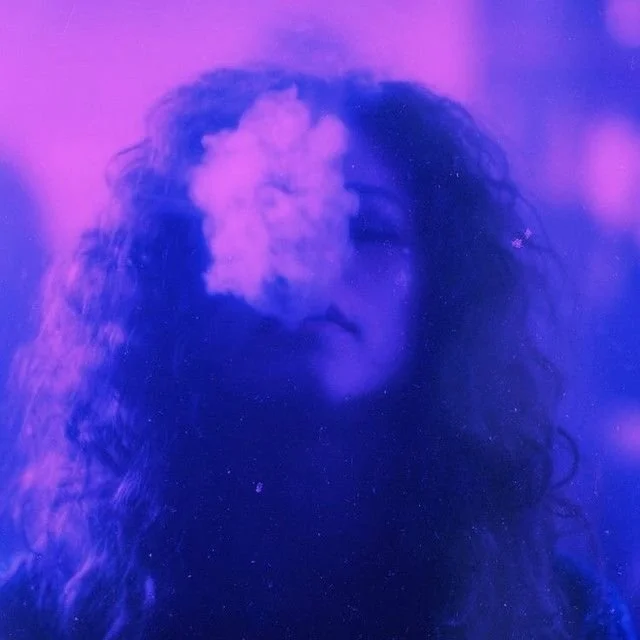
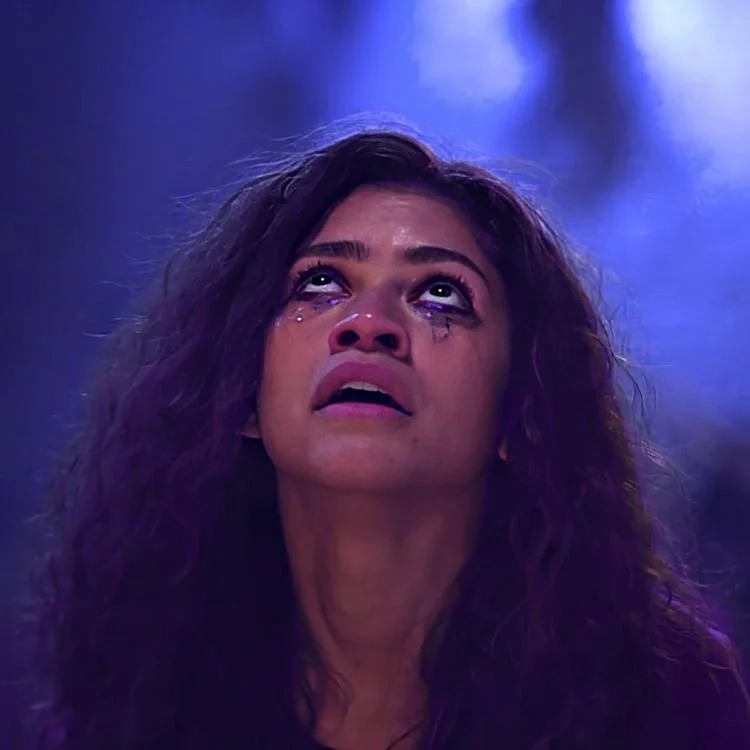
The biggest gap I noticed, though, is the lack of what I’ve coined as ‘Rue’s Scenes’. Scenes where we see things directly through Rue’s lens even if they’re heavily skewed from reality and those where the quirky teen breaks the fourth wall to clear something up like in Fleabag (but darker). This cut could be due to the fact that Rue is mostly clean during season 3 though it is missed, leaving much to be desired.
Redemption?
Now, for the atonement of Euphoria’s concluding season. It had its ups, downs, and uncharacteristic details but I truly think that this finale made up for the chaos of the preceding episodes. Mostly, for one reason that definitely showcases my own bias: the realistic nature of grief and addiction.
The fact of the matter is, addiction typically doesn’t end in a happy ending. Not in our current system where many are set up to fail, anyway. Euphoria doesn’t shy away from that even if it dramatizes other elements of life for the sake of entertainment. Our fun, admired albeit flawed protagonist still dies even though she’s the epicenter of this triumphant story. It’s a truth that millions endure year after year: even the main characters in our lives aren’t untouchable.
Euphoria will go down in pop culture and tv history as one of the most prolific, defining series of the 2020s amongst teens and young adults. It helped me discover the resonating music of Labrinth, it made me a Jacob Elordi fan, and it was even the theme of my 11th grade prom. Despite Sam Levinson’s perverted, controversial mark on the show, I stand strong with the belief that it is still a revolutionary project at its core.