A Conversation with The 789s’ Brittany Smith
Interview ★ Hadley Balser ★ @hadleybalseronpitch ★ 3 Minutes
"What role do you think nostalgia plays in your work?" That was my first question to Brittany Smith, the lead vocalist for the 789s, a cover band based in Florida. The name comes from the band's setlist consisting of popular tracks from the 70s, 80s, and 90s, a period that many feel to be the peak of rock music. Over Zoom, her face lit up as she considered the question. "I feel like nostalgia is so important because it connects to a hope,” Smith said. “It can really bring us together, because how cool is it that we are all in that room, and who knows what the other person's life is like, but we all know this song, and we all feel that nostalgia, and that feeling of hope, and connectedness, you know?”
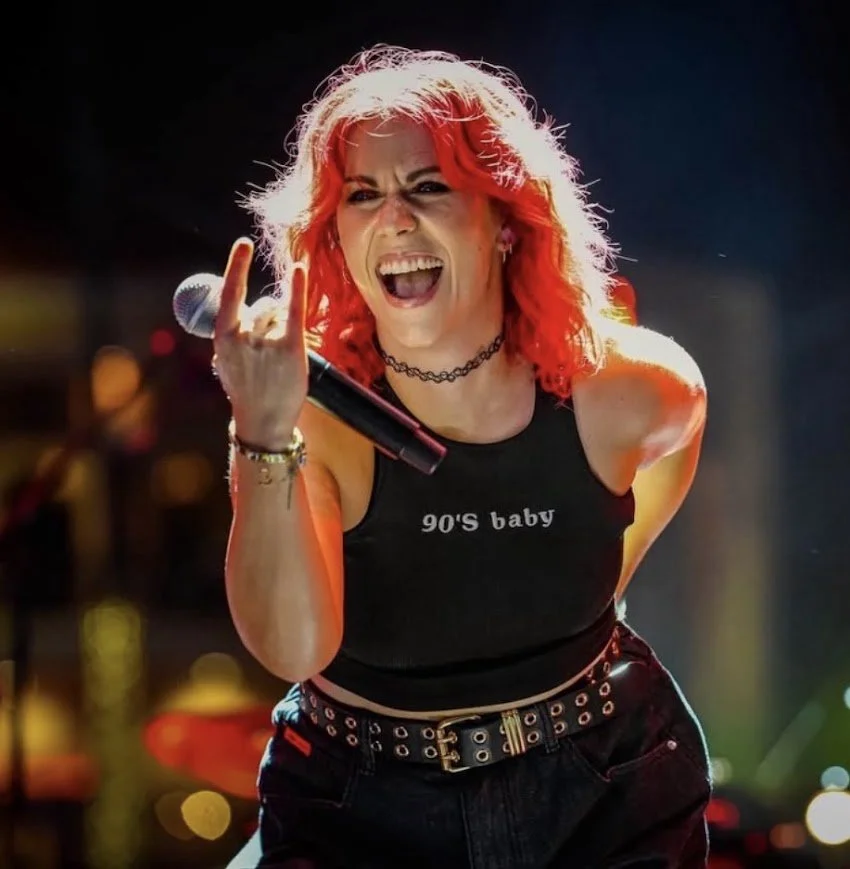
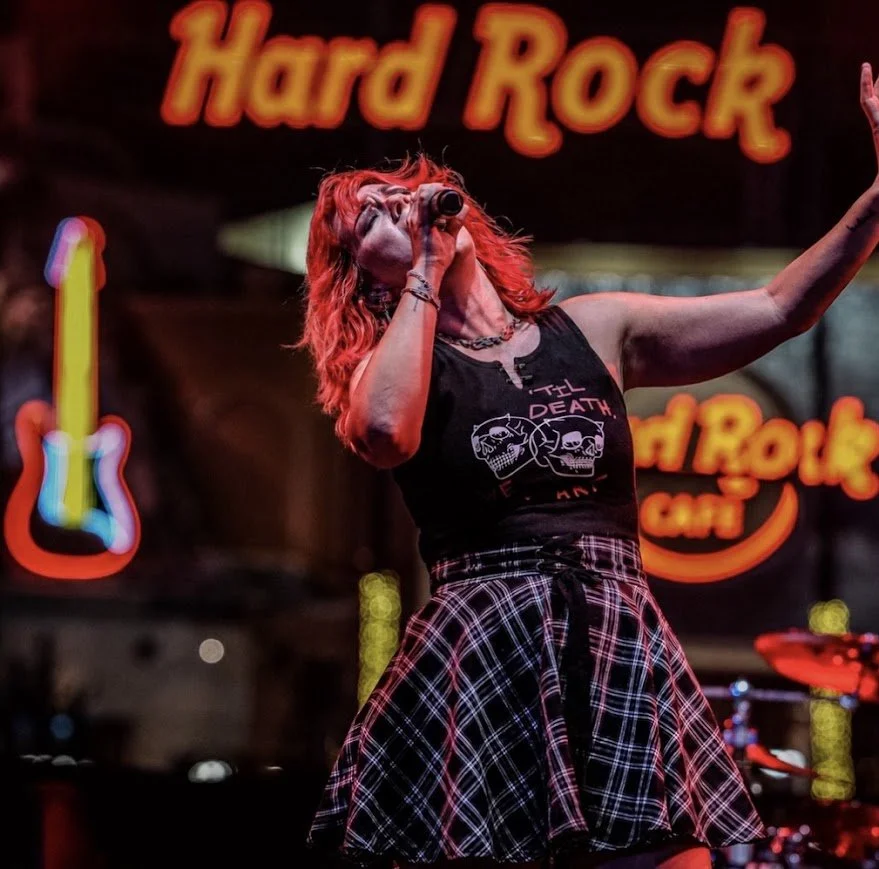
Photos via Sherri JewerSmith has a magnetic stage presence and powerhouse voice, both perfectly suited to the 80s hair rock and 90s grunge that she so frequently performs on tour. Although the band is based in Florida, the members come from all over the U.S. Smith has had a long history in the music industry, from performing with her family when she was just a child to livestreaming on YouNow and taking spur-of-the-moment requests from viewers. She eventually turned livestreaming into a full-on career as a content creator before she felt a disconnection with this medium of performing.
“A few years ago, I mean, I just got burned out, you know … and I honestly just wanted to sing the songs I wanted to sing,” Smith said, describing her shift in outlook. “I didn't want to necessarily perform, you know, the popular pop tunes. I was like, these are great, but I want to do 80s rock.”
After a break from music entirely, Smith was contacted by a member of the 789s, bassist Nick Isasi, to join the band. Smith was initially reluctant to get back into music. “I just didn’t respond to him…I gave up that life,” Smith said. After months of Isasi reaching out, Smith decided to give it a chance. “I finally just decided, like, you know what? I do miss performing, and they do play my favorite genres, so this could be a, like, good extra way to make some money on the weekends…So I was like, you know what, fine, I'll get on a phone call with him.”
It’s been two years since the band added Smith, and she can’t imagine life without it. One of the reasons she loves performing in a cover band so much is the inherent attachment to the music she’s loved all her life. “Music is, like, just such a tapestry of ourselves, you know?”
She finds that same nostalgia when performing at venues in Florida like Universal CityWalk. “I mean, I’m just standing up on that stage, looking out, thinking about all the times that I had come to Universal with my family…and I thought, man, it would be so crazy to play here,” she said. “I just kept thinking, if 12-year-old me were here right now, she would be flabbergasted.”
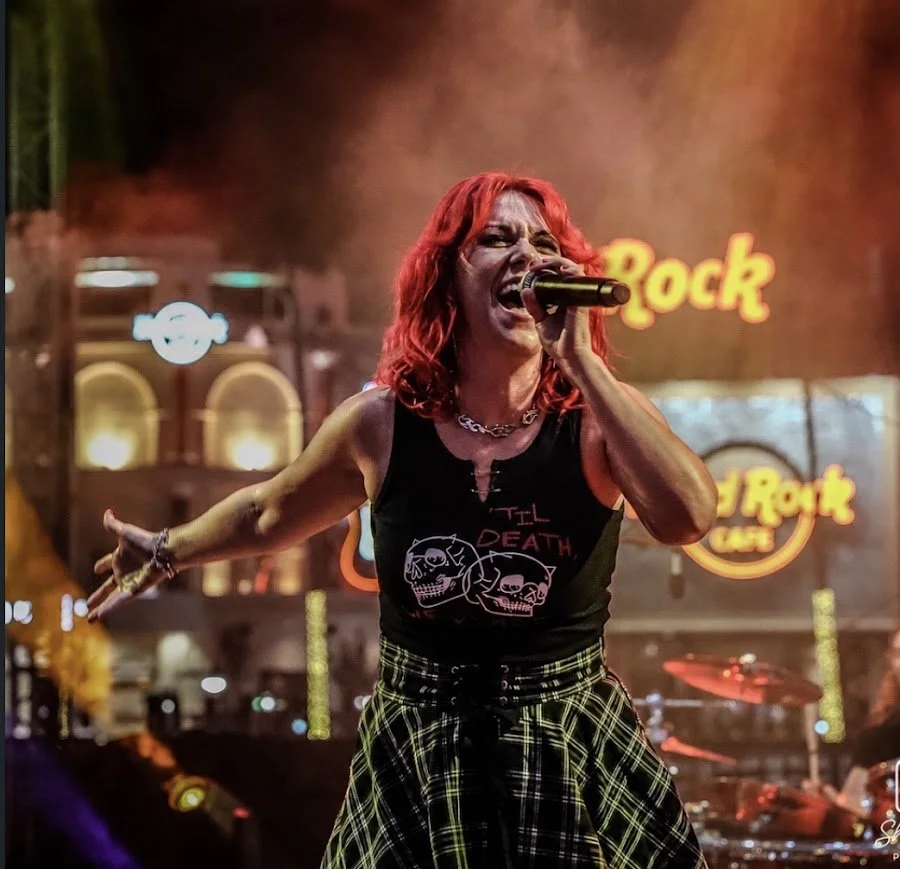
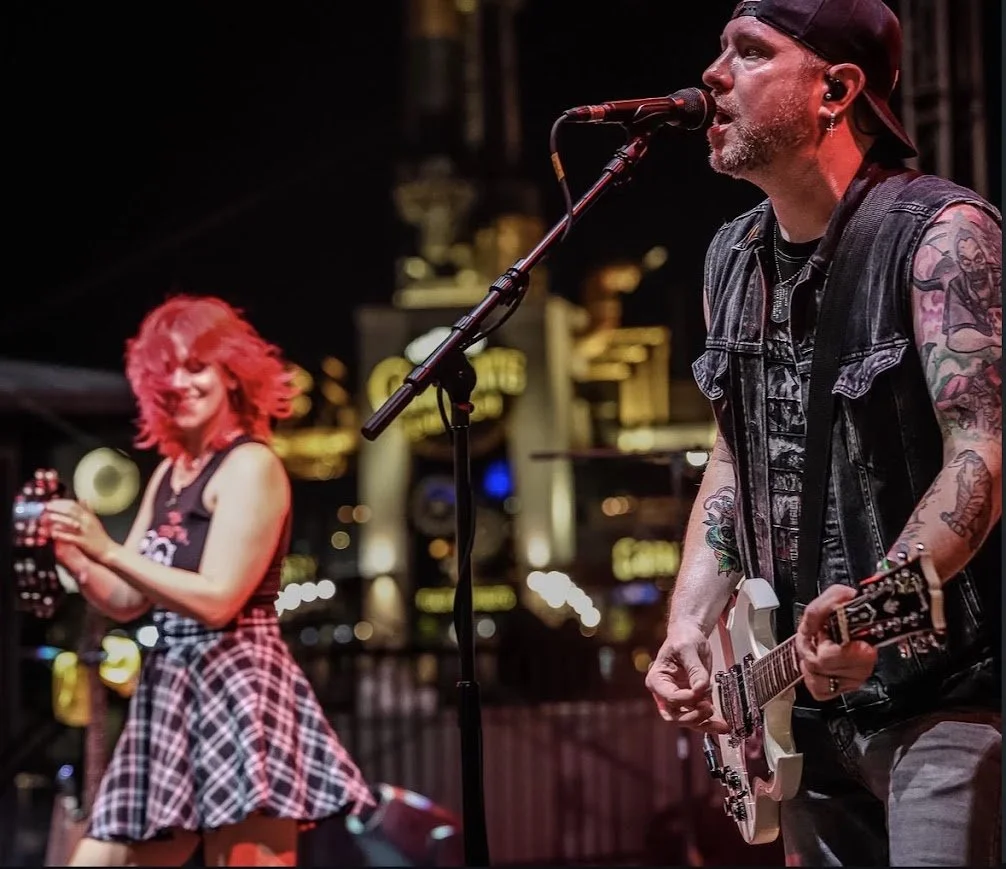
Photos via Sherri JewerSmith is content with her life in Florida and her life with the band, in a way that is deeply refreshing to see in a world that constantly seems dissatisfied. I expressed my admiration for this, and she admitted it was hard-earned, but wholehearted. “It’s just been an active practice, I think, the last couple of years, being mindfully grateful,” Smith says on the process. “Just kind of looking around and noticing when things are beautiful, because it's so easy for us to notice when there's something bad going on, and sometimes the good moments get glossed over.”
She connects this to the power of live music, and the nostalgia of playing old music she has a connection with. “Live music forces you to be present in your body. It forces you to feel honestly in that moment…us on stage, we can’t lie, but neither can those in the crowd, you know,” Smith says, eyes bright. “You can’t ignore the way it makes you feel when you hear your favorite song, hopefully being done justice on stage.”
Nostalgia and performance mesh to create places where people can connect over the art that binds them together. As Smith said, “music is a tapestry of ourselves.” By sharing the music you love with an audience that loves it too, Smith and the 789s have become a vessel of nostalgia, bringing the sounds we love from the past to our present and connecting the old to the new.