Music Is Inherently Political: Here’s Why
Article ★ Emily Galeas ★ @emilygaleaswrites★ 3 Minutes
Music is one of the world's oldest forms of expression, an ever-changing and evolving artform that is always there for us. Ask anyone of any religious belief, nationality, race, gender identity, etc. and they will almost always say that they have a favorite band or a favorite song. Music is the silent killer of hatred and marginalization, and it is becoming crucial to human survival.
Music touches our lives in many un-noticeable ways, big and small, every day. Culturally, there are many obvious ways that music expands our minds and connects people with each other. Music allows people to embrace global cultures and ignore language barriers, focusing rather on the musicality of a track rather than the lyrics verbatim when you don’t speak the language being sung. Bad Bunny’s SuperBowl halftime performance comes to mind when discussing this topic. An entire stadium of individuals paying hundreds of dollars for a football game, embracing a Latin-American artist for a brief moment during a time of excessive social division.
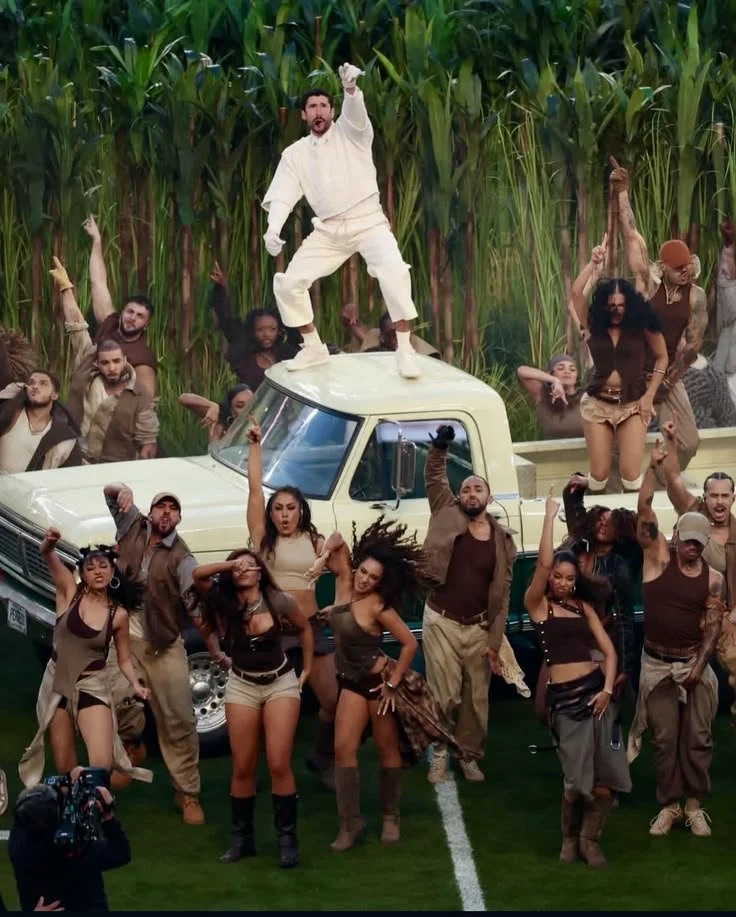
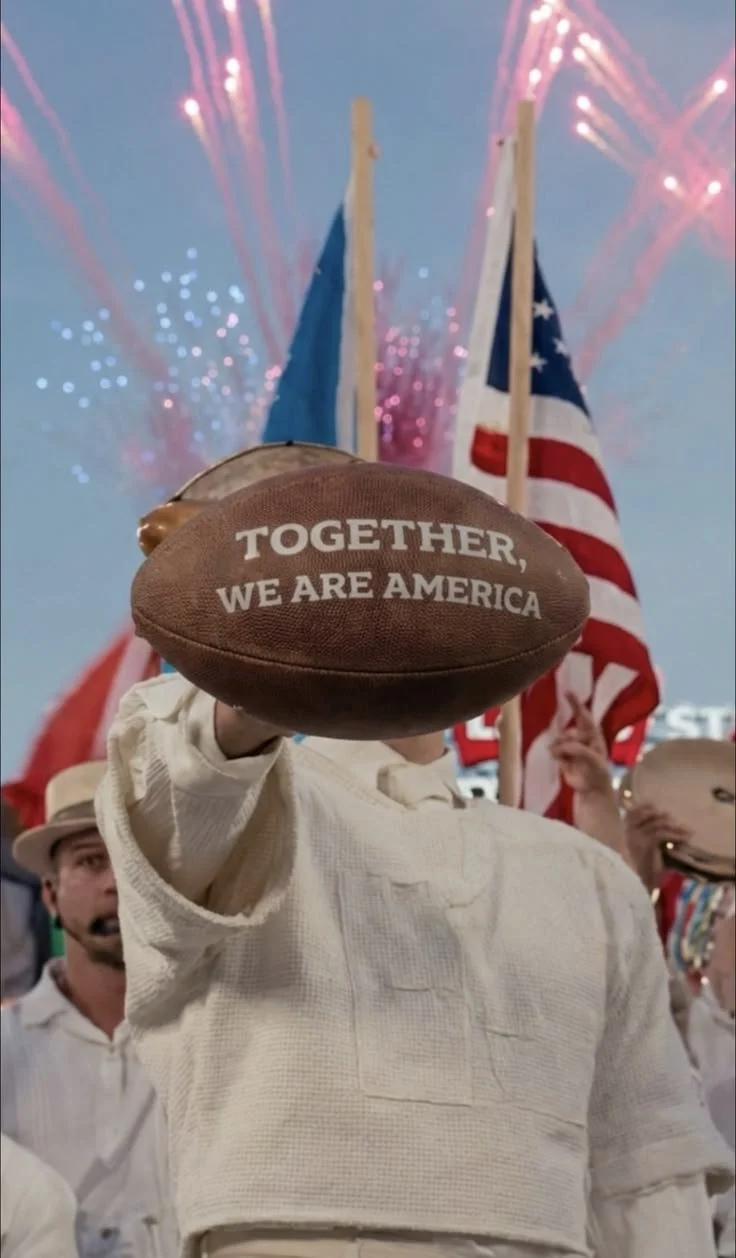
Stills from Bad Bunny’s 2026 superbowl halftime performance, photographer unknownMusic also educates listeners on historically oppressed groups. Such as learning about Black-American spirituals or Native American traditional music. Since the beginning of time, music has acted as a coping mechanism, and a method of communication sometimes more effective than spoken communication.
However, the main reason that music has become so politically surged in the modern day is simply due to the existence of artists that belong to notoriously marginalized groups that choose to ignore forced marginalization. Artists like Freddie Mercury, Prince, Leslie Gore, David Bowie, Michael Jackson, and many more come to mind when thinking about historically oppressed artists. It is because of their existence during the 1900s specifically, that has shaped the music industry today and made it a more suitable industry for a variety of individuals. There are still endless amounts of work to be done within the industry to rid it of oppression, but artists like those listed above continuing to shape the perspective of the industry are vital to global music culture.
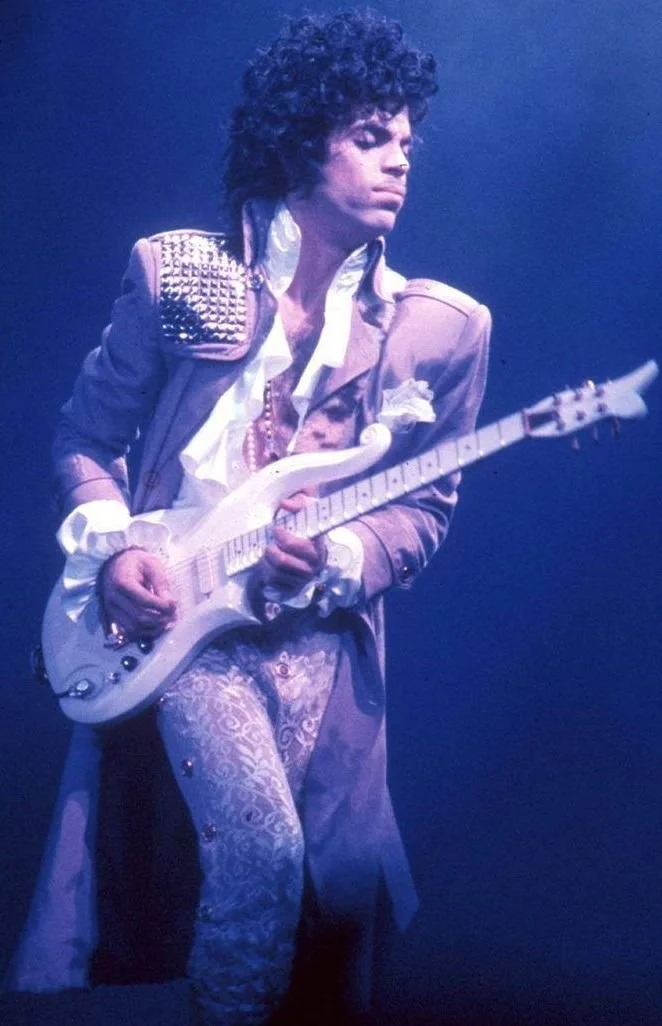
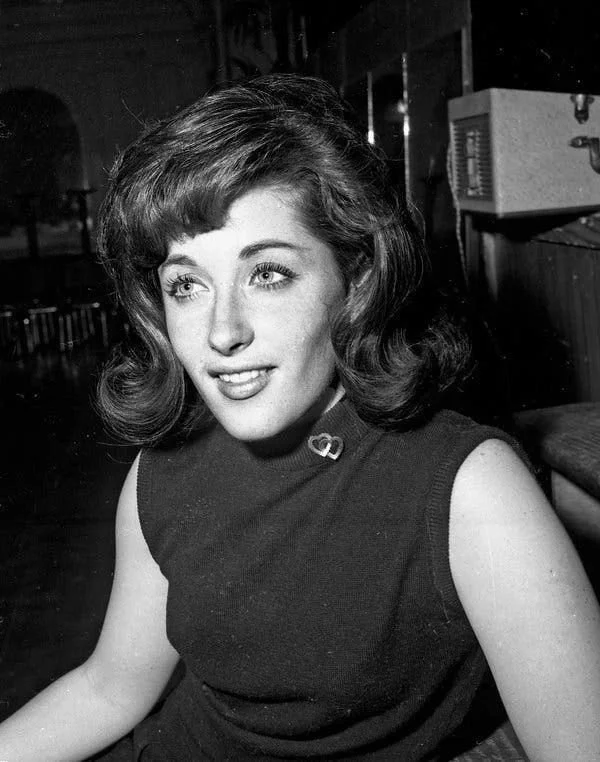
(left) Prince and (right) Lesley Gore, photographers unknownPerhaps the most obvious form of politics in music has to do with the government itself. Not just in the United States, but all over the world. Music has acted like a sort of “secret code” for individuals for centuries. Circling back to spirituals written by enslaved Black Americans, one of the most obvious examples in American history of music being the voice of a group. Spirituals acted as a coping mechanism when enduring slave labor, as well as a secret code to fellow enslaved Black Americans as a form of a map to escape to freedom.
Despite every hardship, music has continued to prevail through censorship, even when words cannot. Music is used as a consistent reminder that no matter who may be put in a position of power, the people underneath them are consistently, always smarter.
Within using music in a cultural sense or in the context of government, everything comes back to a sense of community. Music, specifically live music, brings people together like no other. The term “live music” is not only limited to concerts, but also to protests or rallies. Live performances also do not just serve as a form of entertainment or unity, but as a form of protest as well. Utilizing live music as a form of protest instills unease within people in power, and displays a physical representation of how many people are on certain sides of an issue.
So, next time you see someone posting about how “music used to not be political”, take into consideration the artist pictured, the music they write and perform, and the struggles that they or their audience have faced. There is always room for politics in music, and that has never been a negative thing. Music, especially live music, has been a place to understand complicated emotions, organize your thoughts, and process the waves of life since the beginning of time. Music allows us to confront emotions, events and thoughts that conversation does not save time for.
Music is a uniter of nations, and a savior of lives, and we would not have the music that we do today without politics, struggle, and history. Music and artists serve as a consistent reminder of the age-old fact that history will repeat itself, and it is the job of the people to stand as a united front against division.